
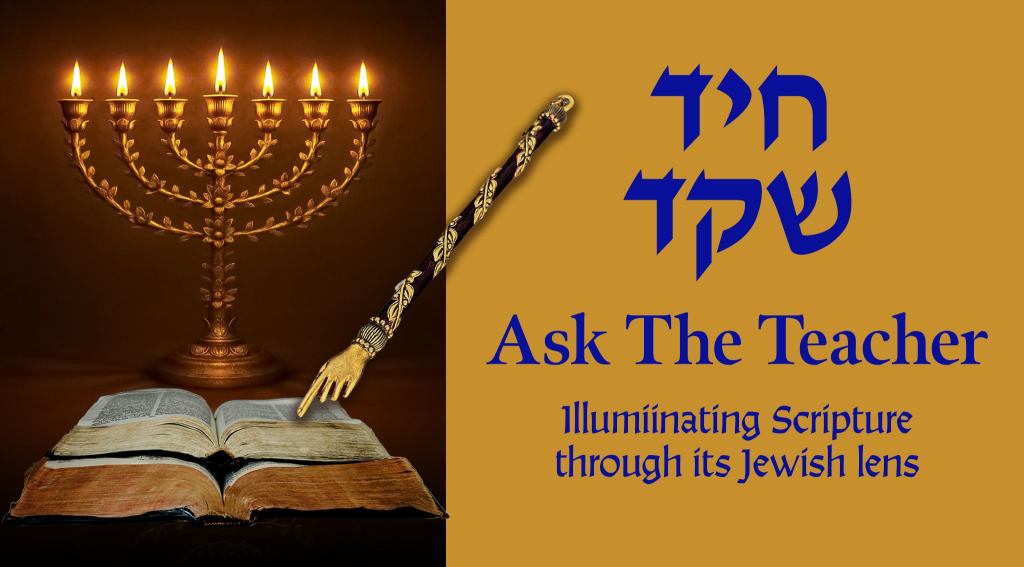
Illuminating Scripture through its Jewish lens
At first glance, the logo may seem simple: a stylized hand pointing to text, a menorah glowing in the background, and a phrase in Hebrew. But every element is saturated with meaning—rooted in tradition, theology, and the mission of this blog.
The Yad: A Hand That Guides
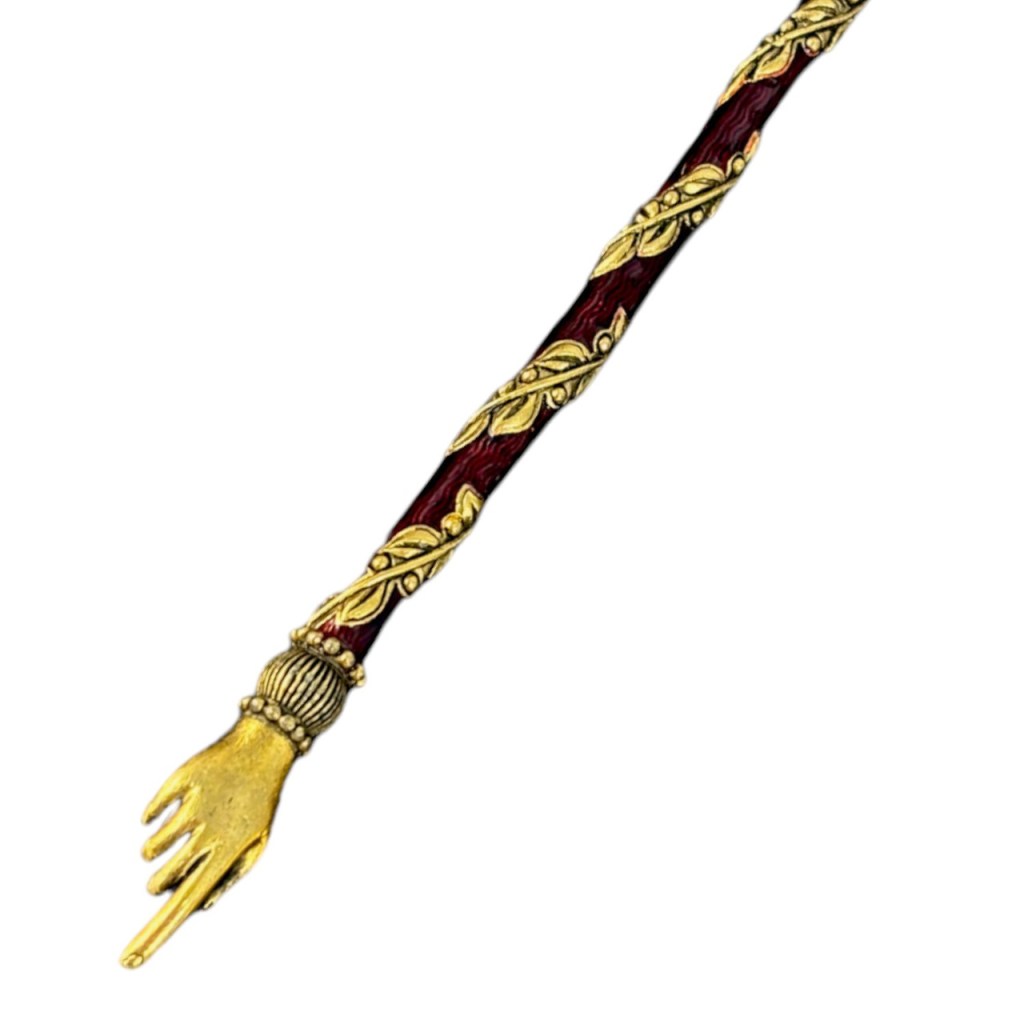
The golden hand in the logo is a yad, the ritual pointer used when reading the Torah. It ensures reverence—never touching the sacred scroll directly—and symbolizes the humility required to engage with divine revelation. In our logo, the yad is not passive. It points actively, intentionally, as if inviting the reader to follow its lead into deeper understanding.
The Two Open Texts: Tanakh and Septuagint

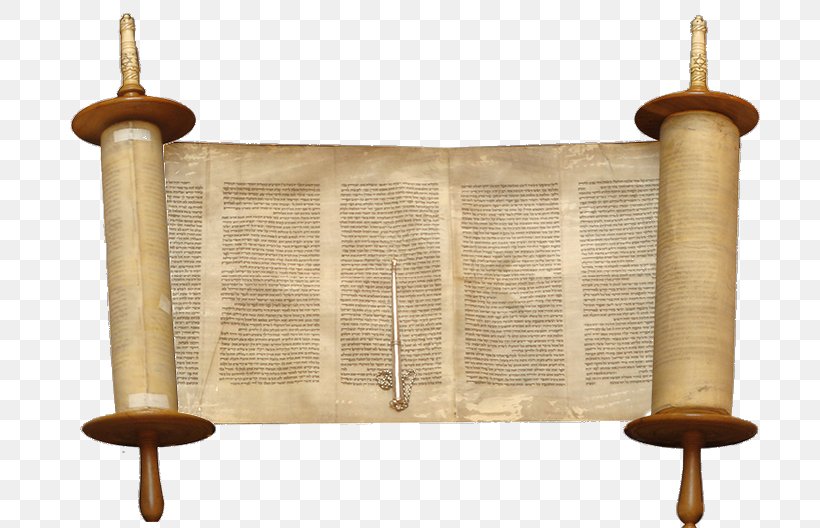
Beneath the menorah and the yad lie two open texts—a deliberate visual cue. They represent the Hebrew Scriptures (Tanakh) and the Greek Scriptures (Septuagint, LXX). These are not merely historical artifacts; they are the textual precursors and theological DNA of the B’rit Chadashah (New Testament).
The Tanakh anchors us in covenantal history, prophetic witness, and divine instruction. The Septuagint—produced by Jewish scribes in Alexandria—preserves that same witness in Greek, shaping the textual world of the apostles and early Jewish believers. Together, they form the interpretive foundation upon which the New Testament stands.
This blog exists to restore that continuity:
To interpret the B’rit Chadashah not as a rupture, but as a fulfillment—rooted in the Hebrew and Greek Scriptures that preceded it.
🔥 The Menorah: Light, Almond, and Vigilance
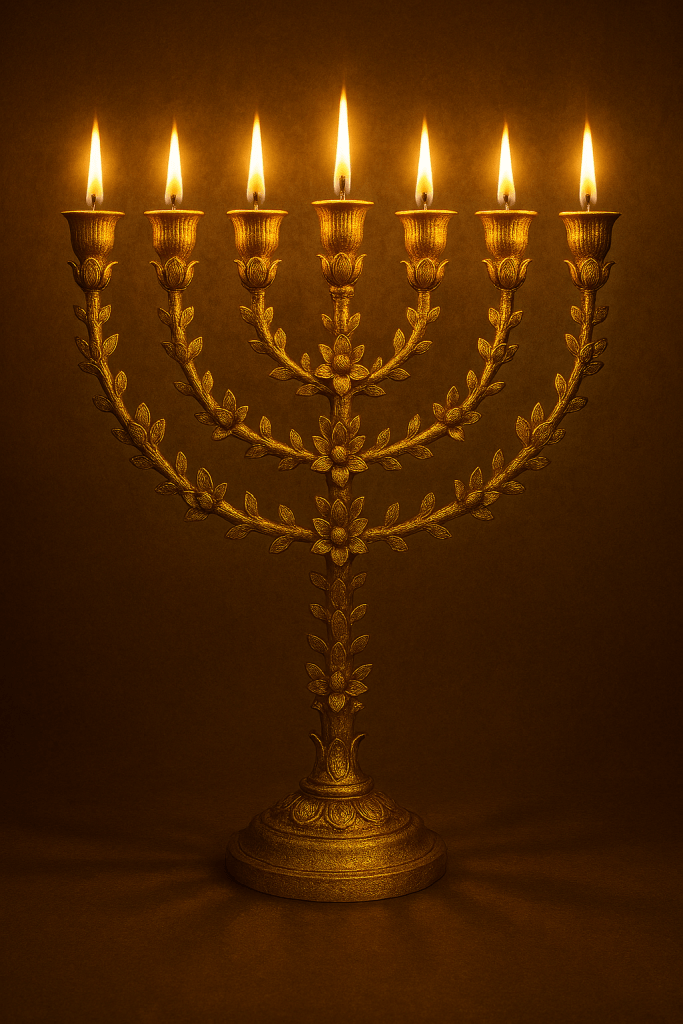
The seven-branched menorah behind the scroll is more than decorative—it’s a theological statement. In our logo, the menorah is fashioned after a fully developed almond tree, echoing the design revealed to Moses in Exodus 25:33–34, where each branch bore almond blossoms and cups shaped like open flowers. This wasn’t just botanical detail—it was prophetic.
In Jeremiah 1:11–12, God shows the prophet an almond branch (שָׁקֵד) and says, “You have seen well, for I am watching (שֹׁקֵד) over My word to perform it.” The almond tree, the first to bloom in Israel, became a symbol of alertness, readiness, and divine attentiveness.
So the menorah in our logo is not just a source of light—it’s a watchful witness, a living reminder that God’s word is guarded, fulfilled, and never forgotten. It casts its glow over both texts, illuminating not just the words, but the covenantal promises embedded within them.
📜 The Hebrew Phrase: חַיָּד שָׁקֵד
This phrase, transliterated Chayad Shaked, is a poetic fusion of two ideas:
- חַיָּד (Chayad) — “Living Hand”
- שָׁקֵד (Shaked) — “Watchful,” also “Almond,” the first tree to bloom in Israel
Together, they express the heart of this blog:
“The Living Hand that Watches”
A hand that points with purpose. A watchful presence that guards the integrity of Scripture. A living engagement with the text that refuses to be static or superseded.
Ask The Teacher: A Covenant of Inquiry
The English title and tagline—Ask The Teacher: Illuminating Scripture through its Jewish lens—invite readers into a posture of inquiry. Not passive consumption, but active questioning. Not abstract theology, but covenantal clarity. This blog exists to restore the Jewish context of Scripture, challenge distortions, and equip readers with tools for faithful interpretation.


 Ask The Teacher
Leave a reply to sweetlesssue Cancel reply