
PART 4 – The Three Questions of Apostolic Judaism
For an Apostolic Jew:
1. Is Jesus God (Elohim)?
2. Is Jesus worshipped?
3. Is Jesus worshipped as God?
These three questions sit at the very heart of apostolic Jewish faith. To answer them faithfully, we need to stay inside Jewish categories, Jewish Scripture, Jewish Second Temple thought, and Jewish readings of the LXX—not later Gentile metaphysics.
The cleanest way to approach this is to treat each question separately, then show how they fit together in a fully Jewish framework.
1. Is Jesus Elohim?
Yes—within the Jewish biblical meaning of Elohim, not as a second god.
In Tanakh, Elohim is not a univocal word. It has a range of meanings, all within strict monotheism:
- YHWH Himself (the one God of Israel)
- Heavenly beings (Ps 8:5; Ps 97:7; Ps 82)
- Human judges representing God’s authority (Exod 21:6; 22:8–9)
- The Davidic king is addressed with divine titles because he bears God’s rule (Ps 45:6–7)
So the question “Is Jesus Elohim?” must be answered in the same categories Scripture uses.
How the New Testament uses Elohim categories:
- Hebrews 1 applies Psalm 45:6–7 to Jesus:
“Your throne, O God (Elohim), is forever… therefore God, your God, has anointed you.”
This is the exact same pattern as the Davidic king:- Called Elohim because he bears God’s rule
- Yet distinguished from God who anoints him
In Jewish literature, Psalm 45:6–7 is traditionally interpreted as referring to the Messianic King, not to God Himself. The passage reads:
“Your throne, O God, is forever and ever;
a scepter of uprightness is the scepter of Your kingdom.
You have loved righteousness and hated wickedness;
therefore God, Your God, has anointed You…”
This raises the question: is the king being called “God,” or is this a poetic way of affirming divine endorsement?
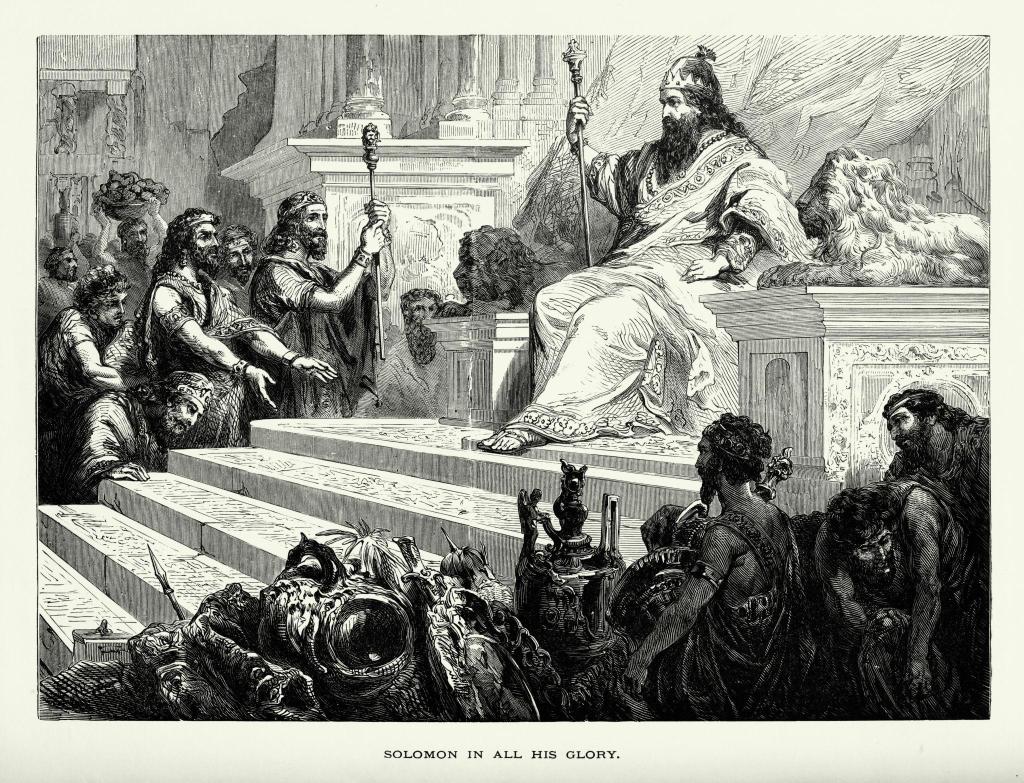
1Chronicles 29:23 Then Solomon sat on the throne of the LORD as king instead of David his father, and prospered; and all Israel obeyed him.
Traditional Jewish Interpretations
1. Messianic Reading
Many classical Jewish commentators interpret this psalm as describing the Messiah:
- Radak and Ibn Ezra: The psalm is dedicated to the Messianic King, not to God directly.
- Midrash Tehillim: Links the exaltation of the king to figures like Abraham, David, and ultimately the Messiah.
- Meiri: “The kingdom of Messiah shall endure forever.”
- Ibn Yachya: Connects the exaltation language to Isaiah 52:13 (“He shall be exalted and lifted up…”).
This reading sees the king as God’s anointed agent, exalted but not divine in essence.
2. Grammatical and Poetic Interpretations
Jewish translators and commentators wrestled with the phrase “Your throne, O God…”
- Saadya Gaon: “God will establish your throne.”
- Ibn Ezra: “Your throne is the throne of God.”
- Rashi: Reads “Elohim” as a vocative for ‘judge’, not deity—“Your throne, O judge.”
- Targum: Avoids ambiguity by paraphrasing: “The throne of your glory, O Lord, is eternal.”
These readings preserve monotheism and avoid calling the king “God.”
3. Jewish Greek Translators
Interestingly, Aquila, Theodotion, and Symmachus—Jewish translators of the Septuagint—rendered the verse as:
“Your throne, O God, is forever and ever.”
This suggests that some Jewish traditions did accept the vocative reading, possibly seeing the king as God’s representative who shares divine titles by agency.
Theological Framework: Divine Agency
In Jewish thought, especially Second Temple theology:
- God’s agents (like kings, prophets, angels) can bear divine titles without being divine.
- The king is God’s vice-regent, enthroned by divine authority.
- Psalm 45 celebrates the ideal king who rules with righteousness and is anointed by God.
This fits the pattern seen in:
- Psalm 2: “You are My son…”
- Psalm 110: “Sit at My right hand…”
- Isaiah 9: “Mighty God” as a royal title
- Daniel 7: “Son of Man” receives worship
Summary
- Psalm 45:6–7 refers to the Messianic King, not to God Himself.
- Jewish tradition affirms the king’s exaltation but maintains strict monotheism.
- The king is God’s anointed, enthroned forever, ruling with righteousness.
- Some Jewish translators rendered the verse vocatively (“O God”), but this was understood as agency language, not ontological divinity.
- John 1:1 uses the same two-tier pattern:
“The Word was with God and was God.” - Philippians 2:6–11 uses Isaiah 45 language for Jesus, but still within the Shema.
In Jewish terms:
Jesus is Elohim in the same way the Davidic king is called Elohim—
the bearer of God’s throne, rule, authority, and Name—yet not a second deity.
This is exactly the “Two Powers in Heaven” pattern found in:
- Daniel 7 (Ancient of Days + Son of Man)
- Exodus 23 (the Angel with the Name)
- Philo (Logos theology)
- 1 Enoch (the Elect One)
- Memra theology in the Targums
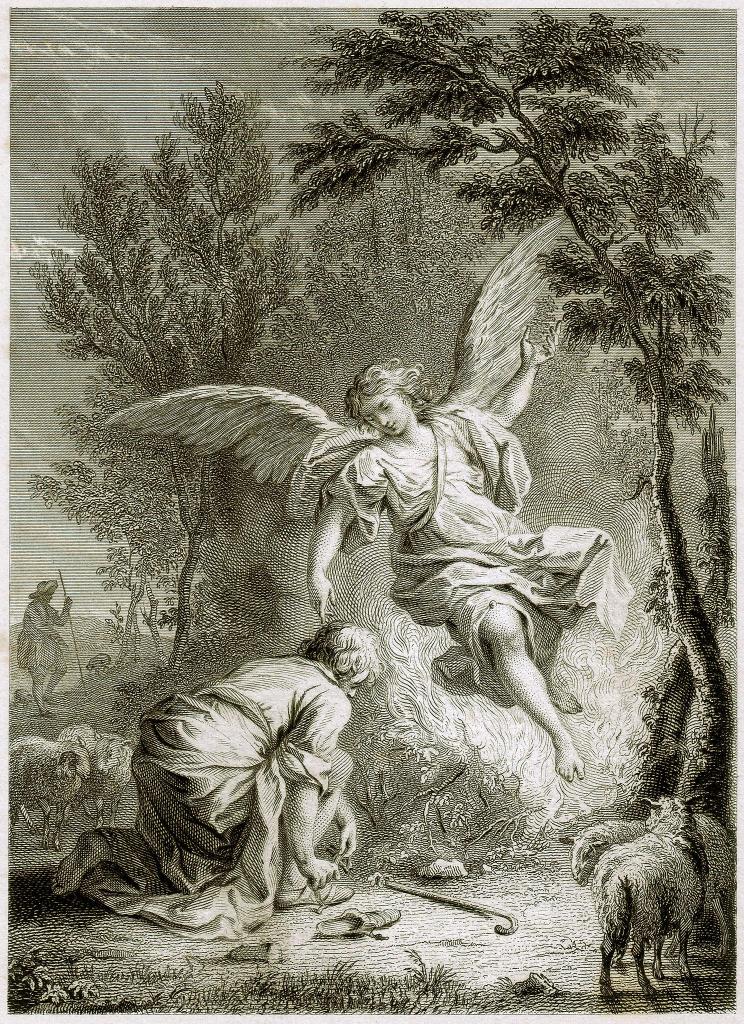
Exodus 3:2 And the angel of the LORD appeared unto him in a flame of fire out of the midst of a bush: and he looked, and, behold, the bush burned with fire, and the bush was not consumed.
So as an apostolic Jew:
Yes—Jesus is Elohim in the biblical, Jewish sense of the term.
Philippians 2:6–11 reads like a Christian hymn, but its conceptual world is thoroughly Jewish. When read through the lenses of Jewish Scripture, Jewish angelology, Jewish royal theology, and Jewish mystical traditions, the passage becomes a profoundly Israelite statement about how God exalts His chosen agent.
1. The Jewish Background: God’s Chosen Agent Who Bears His Name
Jewish Scripture repeatedly presents a figure who:
- Bears God’s Name (Exod 23:20–23)
- Appears in divine form (Gen 18; Exod 24:10–11)
- Receives worship or obeisance (Josh 5:14)
- Acts as God’s proxy (Isa 63:9)
- Is enthroned beside God (Ps 110; Dan 7)
This figure is not a “second god,” but the authorized representative who is given the divine authority as the representative of the God of Israel, not the same divine person.
Philippians 2:6–11 fits this pattern exactly.
2. “In the Form of God” — A Jewish Category, Not Greek Metaphysics
The phrase μορφῇ θεοῦ (“form of God”) is best understood through Jewish mystical and angelic traditions, not Greek philosophy.
Jewish literature describes:
- The Angel of YHWH appearing in divine form
- Moses shining with divine glory
- Angels who bear God’s Name
- The “Son of Man” in Daniel 7 who appears in heavenly form
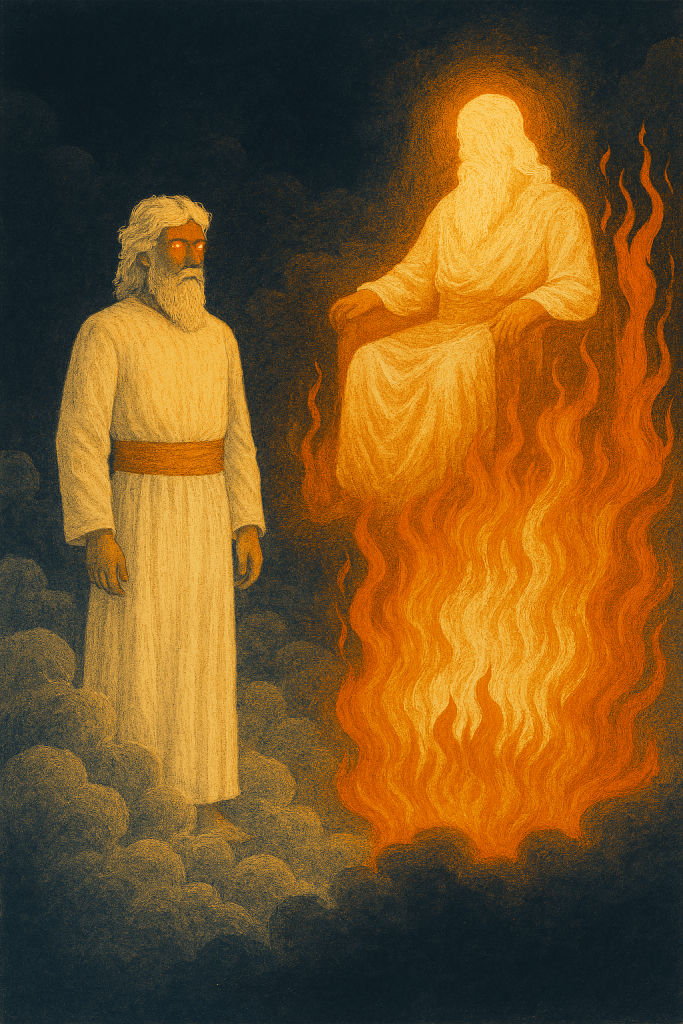
Daniel 7:13 I saw in the night visions, and, behold, one like the Son of man came with the clouds of heaven, and came to the Ancient of days, and they brought him near before him.
Phil 2:6–11 draws directly from the Angel of the LORD tradition, where God’s emissary shares divine form, divine authority, and divine name. This means Paul is not claiming Jesus is a second deity. He is placing Jesus in the category of God’s supreme heavenly agent.
3. “Did Not Regard Equality with God as Harpagmos” — A Jewish Humility Motif
The Greek word ἁρπαγμός (harpagmos) is notoriously difficult. Jewish readings emphasize:
- Not seizing honor that does not belong to you
- Not grasping at divine prerogatives
- Accepting God’s appointed role with humility
This matches the humility of:
- Moses (Num 12:3)
- The Servant of YHWH (Isa 52–53)
- The righteous sufferer in Psalms
Some Jewish scholars argue the Greek grammar suggests Jesus recognized equality with God was not something to be seized, aligning with Jewish monotheism and the impossibility of a creature becoming God.
This reading fits perfectly within Jewish thought:
God exalts the humble; the humble do not exalt themselves.
 Ask The Teacher
Your voice matters. Iron sharpens iron. What insights or questions do you bring to the table?