
The Sixth Word – הַמִּלָּה הַשִּׁשִּׁית (ha-milah ha-shishit)
The Sixth Commandment—“You shall not murder” (לֹא תִרְצָח, Lo tirtzach)—as stated in Deuteronomy 5:17, reaffirms the original command from Exodus 20:13. In the Hebrew text of Deuteronomy 5:17, לֹא תִרְצָח (Lo tirtzach) is the sixth word—הַמִּלָּה הַשִּׁשִּׁית (ha-milah ha-shishit)—emphasizing the precise and enduring prohibition against unlawful killing within the covenant framework given to Israel.
The Sixth Commandment—ha-milah ha-shishit, “You shall not murder” (Exodus 20:13)—marks a deliberate structural transition in the Decalogue (עֲשֶׂרֶת הַדִּבְּרוֹת (Aseret haDibrot), traditionally understood in Jewish thought as the beginning of the second tablet. Unlike the arrangements in many Christian traditions (e.g., Catholic or Protestant), which divide or number the commandments differently, the Jewish division emphasizes a symmetrical structure: five commandments on each tablet. This is supported by Mekhilta de-Rabbi Yishmael (Yitro 8), which teaches that the commandments were given on “two tablets, five on each.” This rabbinic view sees the division as reflecting two categories of mitzvot: those between humanity and God (bein adam la-Makom) in the first five, and those between human beings (bein adam la-chavero) in the latter five.
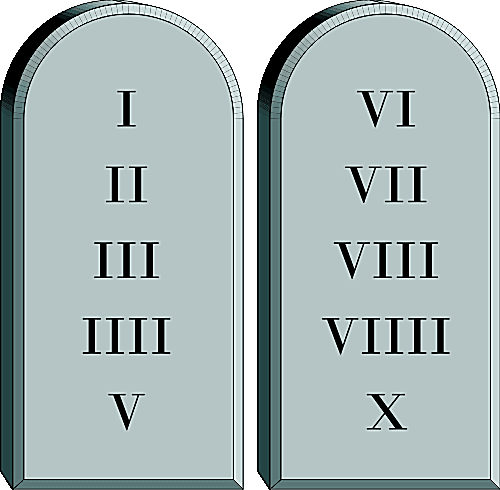
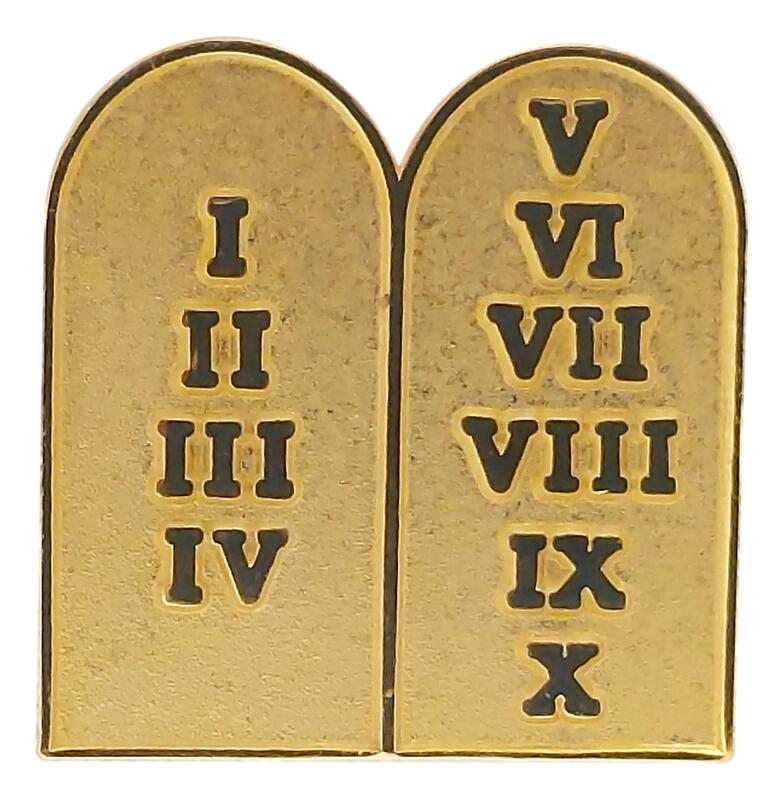

The first tablet contains commandments regarding God’s exclusivity, the prohibition of idolatry, honoring God’s name, sanctifying the Sabbath, and honoring one’s parents—each establishing the foundation of divine-human covenant. By contrast, the second tablet begins with “You shall not murder”, followed by commandments forbidding adultery, theft, false testimony, and covetousness—each governing interpersonal conduct and the sanctity of human relationships. This division is also reflected in Pirkei Avot 1:2, which teaches that the world stands on three pillars: Torah, service (avodah), and acts of kindness (gemilut chasadim)—echoing the twofold thrust of the tablets: devotion to God and responsibility to others.
The Two Tablets of the Decalogue
1. The Divine Name (YHVH) and the Division of the Tablets
The two tablets of the Decalogue do not merely represent a numerical division of commandments, but a conceptual and theological distinction between the obligations toward God (bein adam la-Makom – בֵּין אָדָם לַמָּקוֹם) and obligations toward fellow humans (bein adam la-chavero – בֵּין אָדָם לַחֲבֵרוֹ). One way this distinction becomes evident is in the use and presence of the Divine Name, YHVH (the Tetragrammaton). In the first tablet, which contains commandments 1 through 5, the name YHVH appears prominently and repeatedly. For example:
• “I am YHVH your God…” (Exodus 20:2)
• “For I, YHVH your God, am a jealous God…” (Exodus 20:5)
• “For YHVH will not hold him guiltless…” (Exodus 20:7)
• “…a Sabbath to YHVH your God” (Exodus 20:10)
• “the land which YHVH your God is giving you” (Exodus 20:12)
2. The Absence of the Divine Name and the Ethics of the Second Tablet
While the First Tablet of the Decalogue emphasizes the Divine Name (YHVH) and the vertical relationship between humanity and God (bein adam la-Makom), the Second Tablet shifts the focus to human-to-human responsibilities (bein adam la-chavero)—and with this shift comes a notable literary absence: the name YHVH disappears entirely.
This absence is not accidental. It underscores a critical structural and theological point: The ethical obligations between people are universally binding and self-evident, grounded not in ritual or revelation alone, but in the sanctity of human life itself—created in God’s image.
Literary Observations:
In Exodus 20:13–17 (commandments 6–10), the prohibitions are short, concise, and void of divine self-reference:
• “You shall not murder.” (Exodus 20:13)
• “You shall not commit adultery.”
• “You shall not steal.”
• “You shall not bear false witness…”
• “You shall not covet…”
Theological Significance:
| Feature | First Tablet | Second Tablet |
| Divine Name (YHVH) | Repeated prominently | Completely absent |
| Sphere of Commandments | Divine–Human (bein adam la-Makom) | Human–Human (bein adam la-chavero) |
| Emphasis | Worship, reverence, covenantal loyalty | Ethics, justice, societal order |
| Mode of Authority | Based on God’s self-revelation | Based on intrinsic moral obligations |
| Tone | Theological, covenantal | Ethical, universal |
A Quiet Presence: God Hidden in the Ethical
Though YHVH is not named in the Second Tablet, His image is implied in every command:
– To murder is to destroy the image of God (Genesis 9:6).
– To commit adultery is to violate covenantal fidelity.
– To steal is to disregard divine justice.
– To lie is to distort the truth, a divine attribute.
– To covet is to rebel against divine order and provision.
Thus, God is hidden in the ethical—His presence veiled but vital.
Thus, the Sixth Commandment functions not merely as another prohibition, but as the structural pivot from divine loyalty to human dignity. This insight from Jewish tradition underscores the unity of the Ten Words as a covenantal blueprint where the love of God and love of neighbor are held in seamless harmony—foreshadowed in the very architecture of the tablets themselves.
| First Tablet: Duties Toward God | Second Tablet: Duties Toward Others |
| 1. I am the LORD your God (Exodus 20:2) | 6. You shall not murder (Exodus 20:13) |
| 2. You shall have no other gods/idols (Exodus 20:3–6) | 7. You shall not commit adultery (Exodus 20:13) |
| 3. You shall not take the LORD’s name in vain (Exodus 20:7) | 8. You shall not steal (Exodus 20:13) |
| 4. Remember the Sabbath day (Exodus 20:8–11) | 9. You shall not bear false witness (Exodus 20:16) |
| 5. Honor your father and mother (Exodus 20:12) | 10. You shall not covet (Exodus 20:17) |
In traditional Jewish understanding, the Ten Words (Aseret HaDibrot) are structured as two tablets, each containing five commandments. The first tablet governs our relationship with God (bein adam la-Makom), while the second tablet addresses our responsibilities toward other people (bein adam la-chavero).
| First Tablet: Duties Toward God | Second Tablet: Duties Toward Others |
| 1. I am the LORD your God (Exodus 20:2) | 6. You shall not murder (Exodus 20:13) |
| 2. You shall have no other gods/idols (Exodus 20:3–6) | 7. You shall not commit adultery (Exodus 20:13) |
| 3. You shall not take the LORD’s name in vain (Exodus 20:7) | 8. You shall not steal (Exodus 20:13) |
| 4. Remember the Sabbath day (Exodus 20:8–11) | 9. You shall not bear false witness (Exodus 20:16) |
| 5. Honor your father and mother (Exodus 20:12) | 10. You shall not covet (Exodus 20:17) |
The Two Tablets of the Decalogue
The Divine Name (YHVH) and the Division of the Tablets
The two tablets of the Decalogue do not merely represent a numerical division of commandments, but a conceptual and theological distinction between the obligations toward God (bein adam la-Makom) and obligations toward fellow humans (bein adam la-chavero). One way this distinction becomes evident is in the use and presence of the Divine Name, YHVH (the Tetragrammaton). In the first tablet, which contains commandments 1 through 5, the name YHVH appears prominently and repeatedly. For example:
– “I am YHVH your God…” (Exodus 20:2)
– “For I, YHVH your God, am a jealous God…” (Exodus 20:5)
– “For YHVH will not hold him guiltless…” (Exodus 20:7)
– “…a Sabbath to YHVH your God” (Exodus 20:10)
– “the land which YHVH your God is giving you” (Exodus 20:12)
This repeated invocation of the Divine Name emphasizes the God-centered nature of the first five words.
In contrast, the second tablet, which contains commandments 6 through 10—prohibiting murder, adultery, theft, false witness, and covetousness—does not contain the name YHVH at all. This absence is not an omission but a meaningful literary signal. It reflects that these commandments, though ultimately divine in origin, govern interpersonal ethics and the sanctity of human relationships. Their divine authority is implied, but the language is restrained to highlight the human-to-human dynamic. This contrast accentuates the unity and balance of the Decalogue: the first five explicitly anchor Israel to YHVH, while the second five call Israel to reflect that divine image through justice, restraint, and compassion toward others.
Comparison Chart: Use of YHVH in the Two Tablets
| First Tablet (1–5): Relationship with God | Second Tablet (6–10): Relationship with Others |
| 1. I am YHVH your God… (Ex. 20:2) | 6. You shall not murder (Ex. 20:13) |
| 2. No other gods before Me… (Ex. 20:3–6) | 7. You shall not commit adultery (Ex. 20:13) |
| 3. Do not take YHVH’s name in vain… (Ex. 20:7) | 8. You shall not steal (Ex. 20:13) |
| 4. Sabbath is to YHVH… (Ex. 20:10) | 9. You shall not bear false witness (Ex. 20:16) |
| 5. Honor parents… YHVH gives you the land (Ex. 20:12) | 10. You shall not covet (Ex. 20:17) |
The Two Tablets: Structure and Spiritual Parallels
The Ten Commandments, first given in Exodus 20:1–17 and repeated in Deuteronomy 5:6–21, are traditionally divided into two tablets. The first tablet focuses on the relationship between humanity and God, while the second tablet addresses interpersonal relationships between man and man. This document highlights how the first word of the first table of the Decalogue—’אָנֹכִי’ (Anokhi, ‘I am’)—and the first word of the second table of the Decalogue—’לֹא תִרְצָח’ (Lo tirtzach, ‘You shall not murder’)—stand as parallel pillars in the divine moral order.
Structural Link Between the Two Tablets
| Tablet | Position | Hebrew Word | English Translation | Function | Primary Source |
| First | 1st word | אָנֹכִי (Anokhi) | I am | Introduces divine identity | Exodus 20:2 |
| Second | 1st word on Second Tablet | לֹא תִרְצָח (Lo tirtzach) | You shall not murder | Introduces sanctity of human life | Exodus 20:13 |
Theological and Symbolic Parallels
| Word | Role | Meaning | Parallel Idea |
| אָנֹכִי | First word of the covenant | Declares God’s identity and authority | Sanctity of God’s image – the Creator |
| לֹא תִרְצָח | First word on Second Tablet | Forbids murder, protects human dignity | Sanctity of God’s image in humanity -the created |
Summary
In Exodus 20, the word אָנֹכִי (Anokhi, ‘I am’) begins the First Tablet by revealing God’s nature and His divine image as the source of all moral law. The word לֹא תִרְצָח (Lo tirtzach, ‘You shall not murder’) begins the Second Tablet in Exodus 20:13, establishing the sanctity of human life as a reflection of the divine image. In Deuteronomy 5, these words are repeated, confirming the enduring structure of the covenant. Thus, the first word of the First Tablet and the first word of the Second Tablet are in direct parallel—calling us to honor both the Creator and His image in humanity, thereby structuring the covenant around both divine authority and human dignity. The sixth word mirrors the first, linking the will of God in heaven to the will of God in earth, the Creator and His creation. God is to be honored, so too is the life created in His image.
The theological distinction between “The Ten Words” and “The Ten Commandments”—a crucial clarification often lost in translation.
The way the commandments are divided, grouped, and numbered differs among the Jewish, Protestant and Catholic traditions. These differences affect how they are understood and assigned to the two tablets.
📜 1. The Hebrew Phrase: עֲשֶׂרֶת הַדִּבְּרוֹת (Aseret haDibrot)
- The term “Ten Commandments” does not appear in the Hebrew Bible.
- Instead, the Hebrew calls them the “Ten Words” or “Ten Sayings”:
→ עֲשֶׂרֶת הַדִּבְּרוֹת (Aseret haDibrot)
Appears in:
- Exodus 34:28 – “…the Ten Words (עֲשֶׂרֶת הַדִּבְּרוֹת)“
- Deuteronomy 4:13, 10:4 – “He declared to you His covenant, the Ten Words…“
✅ Theologically, this emphasizes:
- God’s speech or revelation, not merely a list of legal prohibitions.
- The covenantal nature of the utterances rather than strictly juridical commandments.
📖 2. Greek and Latin Translations Introduced “Commandments”
- The Septuagint (LXX) translated Aseret haDibrot as δέκα λόγοι (deka logoi) – “Ten Words,” which is where we get the term Decalogue.
- Later, Latin and Christian tradition rendered them as “Ten Commandments” (Decem Praecepta), emphasizing moral and legal directives.
This shift reflects a theological lens:
- Jewish tradition views them as divine utterances—part of a broader covenantal revelation (not limited to commands).
- Christian tradition (especially post-Augustine) began to emphasize them as a moral code—ten binding commandments.
Summary of the Distinction
| Term | Hebrew Bible | Theological Focus |
|---|---|---|
| Aseret haDibrot | “Ten Words” (Exod 34:28; Deut 4:13) | Covenant, divine speech, revelation |
| Ten Commandments | Post-biblical, Greek/Latin/English | Law, moral obligation, legal code |
The Ten Words function as a condensed index or synopsis of the entire covenantal framework, fully integrated with the broader system of mitzvot transmitted through Moses. Each Word serves as a representative principle—both moral and covenantal—summarizing key categories within the larger corpus of the 613 commandments.
Below is a categorized list of mitzvot connected to the Sixth Commandment: “You shall not murder” (Lo tirtzach, Exodus 20:13 / Deuteronomy 5:17), based on Rambam’s Sefer HaMitzvot and Mishneh Torah. These mitzvot relate directly or indirectly to the sanctity of life, prohibitions on causing harm, and duties to preserve life.
Prohibitions (Negative Mitzvot)
Direct Prohibition of Murder
- Negative Mitzvah #289 – Not to murder a human being.
- Source: Exodus 20:13 – “You shall not murder.”
Laws of Judicial Execution and Murder Cases
- Negative Mitzvah #290 – Not to take a ransom for the life of a murderer.
- Numbers 35:31
- Negative Mitzvah #292 – Not to kill a person declared innocent.
- Exodus 23:7
- Negative Mitzvah #293 – Not to convict based on circumstantial evidence or assumptions.
- Exodus 23:7
- Negative Mitzvah #295 – Not to spare a murderer or withhold punishment.
- Deuteronomy 19:13
- Negative Mitzvah #296 – Not to kill the murderer before standing trial.
- Numbers 35:12
Bloodshed and Injury
- Negative Mitzvah #298 – Not to strike another person causing injury.
- Deuteronomy 25:3 – Applied to over-punishment or injury.
- Negative Mitzvah #299 – Not to kidnap.
- Exodus 20:13 (also inferred from Deut. 24:7)
Negligent Endangerment / Bloodguilt
- Negative Mitzvah #298 – Not to allow obstacles that can lead to death.
- Deuteronomy 22:8 – e.g., building a parapet on a roof.
- Negative Mitzvah #297 – Not to show mercy to a pursuer (rodef).
- Deuteronomy 19:13 – When someone is chasing to kill.
Positive Mitzvot (Obligations to Protect Life)
Protecting Life and Preventing Death
- Positive Mitzvah #184 – To save someone being pursued to be killed (rodef).
- Deuteronomy 25:12 / Sanhedrin 73a
- Positive Mitzvah #195 – To build a parapet (railing) around a roof.
- Deuteronomy 22:8 – Preventing danger and accidental death.
- Positive Mitzvah #186 – To rescue someone whose life is in danger.
- Leviticus 19:16 – “Do not stand idly by your brother’s blood.”
Related Civil and Judicial Mitzvot
These aren’t directly against murder, but they reinforce societal frameworks that uphold the value of life.
- Positive Mitzvah #228 – To set up courts of justice.
- Negative Mitzvah #273 – Not to bear false witness.
Spiritual Extensions (Discussed in Rabbinic Thought)
While not among the 613, rabbinic literature extends the commandment to include:
- Hatred as internal murder (Talmud Bavli, Yoma 23a)
- Embarrassing someone in public as akin to murder (Bava Metzia 58b)
- Verbal harm / lashon hara as character assassination (see Chafetz Chaim)
Category Type Mitzvah # Description Source Direct Prohibition of Murder Negative 289 Not to murder a human being Exodus 20:13 Judicial Laws Negative 290 Not to take a ransom for the life of a murderer Numbers 35:31 Judicial Laws Negative 292 Not to kill an innocent person Exodus 23:7 Judicial Laws Negative 293 Not to convict based on circumstantial evidence Exodus 23:7 Judicial Laws Negative 295 Not to spare a murderer or withhold punishment Deuteronomy 19:13 Judicial Laws Negative 296 Not to kill the murderer before trial Numbers 35:12 Bloodshed and Injury Negative 298 Not to injure another person Deuteronomy 25:3 Bloodshed and Injury Negative 299 Not to kidnap Exodus 20:13 / Deut. 24:7 Negligent Endangerment Negative 297 Not to show mercy to a pursuer Deuteronomy 19:13 Negligent Endangerment Negative 298 Not to leave obstacles that cause death Deuteronomy 22:8 Protecting Life Positive 184 To save someone pursued to be killed Deut. 25:12 / Sanhedrin 73a Protecting Life Positive 195 To build a parapet on a roof Deuteronomy 22:8 Protecting Life Positive 186 To rescue someone whose life is in danger Leviticus 19:16 Judicial Framework Positive 228 To set up courts of justice Deuteronomy 16:18 Judicial Framework Negative 273 Not to bear false witness Exodus 20:16 The Sixth Commandment and ‘Spiritual Murder’
This chart illustrates the deeper spiritual implications of the Sixth Commandment—’You shall not murder’—and how it addresses internal attitudes and passive forms of harm such as anger, hatred, bitterness, and negligence. These are seen in Scripture and rabbinic tradition as forms of ‘spiritual murder.’
Spiritual Issue Link to Murder Scriptural Reference Anger Root emotion of violence Genesis 4:6–8; Matthew 5:21–22 Hatred Equivalent to murder Yoma 23a; 1 John 3:15 Bitterness Poison that defiles Hebrews 12:15 Resentment Breeds hostility Genesis 27:41 Negligence Passive endangerment Leviticus 19:16; Deut. 22:8 Shaming / Oppression Murder of dignity/character Bava Metzia 58b; Lashon Hara laws Unforgiveness Withholds restoration of life Matthew 5:23–24 The Sixth Commandment—“You shall not murder
”(Lo tirtzach, לֹא תִרְצָח)—extends far beyond the physical act of taking a life. In both Jewish and Christian traditions, it carries deep thematic and spiritual implications that encompass anger, hatred, bitterness, resentment, and negligence, all of which can constitute a kind of “spiritual murder.”
✨ Thematic Connection: The Sixth Commandment and “Spiritual Murder”
1. Murder Begins in the Heart
🔹 Biblical Insight
- Genesis 4:6–8 – Cain’s anger leads to the first murder.
- God warns Cain: “Why are you angry? And why has your countenance fallen? … Sin lies at the door.”
- Implication: Murder began with unchecked anger, not just action.
🔹 Rabbinic Insight
- The Talmud (Yoma 23a) states: “Anyone who hates his fellow is as if he has shed blood.”
- Hatred is spiritually equivalent to murder.
2. Jesus’ Teaching in the Sermon on the Mount
🔹 Matthew 5:21–22 (Christian Perspective)
“You have heard it said to the people long ago, ‘You shall not murder’… but I tell you that anyone who is angry with a brother or sister will be subject to judgment.”
- Jesus intensifies the commandment by focusing on inner anger and contemptuous speech. Jesus no doubt had in mind the contemptuous speech of Moses when provoked to anger “spake unadvisedly with his lips” against Israel and and received the judgment of God.
- Words like “Raca” (fool/empty-headed) and insults are equated with murder in the heart.
3. Spiritual Negligence as Murder
🔹 Torah Principle
- Leviticus 19:16 – “Do not stand idly by the blood of your neighbor.”
- Failure to act to preserve life is seen as bloodguilt.
🔹 Mitzvot Connection
- Positive Mitzvah #186 – To rescue someone in danger.
- Negative Mitzvah #298 – Not to leave dangerous obstacles (Deut. 22:8).
- Negligence in these cases is a passive form of manslaughter—a kind of spiritual or moral murder.
4. Murder of Character: Lashon Hara (Evil Speech)
🔹 Talmudic View
- Bava Metzia 58b: Shaming someone in public is like murder, because “their blood drains from their face.”
- Character assassination is akin to spiritual homicide.
5. Bitterness and Resentment as Poison
🔹 Hebrews 12:15 (NT)
“See to it that no root of bitterness springs up and causes trouble, and by it many become defiled.”
- Bitterness can be spiritually toxic, corrupting the soul and harming others.
- It breeds unforgiveness, which can grow into anger and hatred—seedbeds of murder.
6. Neglecting Reconciliation
🔹 Matthew 5:23–24
“If you are offering your gift at the altar and remember your brother has something against you… first be reconciled.”
- Unresolved conflict = spiritual obstruction.
- Reconciliation is an act of preserving life and restoring peace—a fulfillment of the spirit of the Sixth Commandment.
Summary: The Inner Life Matters
The Sixth Commandment and ‘Spiritual Murder’
This chart illustrates the deeper spiritual implications of the Sixth Commandment—’You shall not murder’—and how it addresses internal attitudes and passive forms of harm such as anger, hatred, bitterness, and negligence. These are seen in Scripture and rabbinic tradition as forms of ‘spiritual murder.’
Spiritual Issue Link to Murder Scriptural Reference Anger Root emotion of violence Genesis 4:6–8; Matthew 5:21–22 Hatred Equivalent to murder Yoma 23a; 1 John 3:15 Bitterness Poison that defiles Hebrews 12:15 Resentment Breeds hostility Genesis 27:41 Negligence Passive endangerment Leviticus 19:16; Deut. 22:8 Shaming / Oppression Murder of dignity/character Bava Metzia 58b; Lashon Hara laws Unforgiveness Withholds restoration of life Matthew 5:23–24
Postlude: The Weight of a Word
In a world where violence often begins with words and silence can be as deadly as action, the Sixth Word—“You shall not murder”—remains a living voice echoing through the ages. Far more than a prohibition, it is a call to preserve, protect, and honor the divine image in every human life.
To keep this word is not only to refrain from taking life, but to reject the seeds of murder—hatred, anger, neglect, and injustice. In this, the Sixth Word transcends law and becomes light: exposing the shadows in our hearts and calling us to walk in the path of life.
 Ask The Teacher
Your voice matters. Iron sharpens iron. What insights or questions do you bring to the table?