
I – THE SANCTIFICATION OF THE SABBATH♾️THE SANCTIFICATION OF ISRAEL
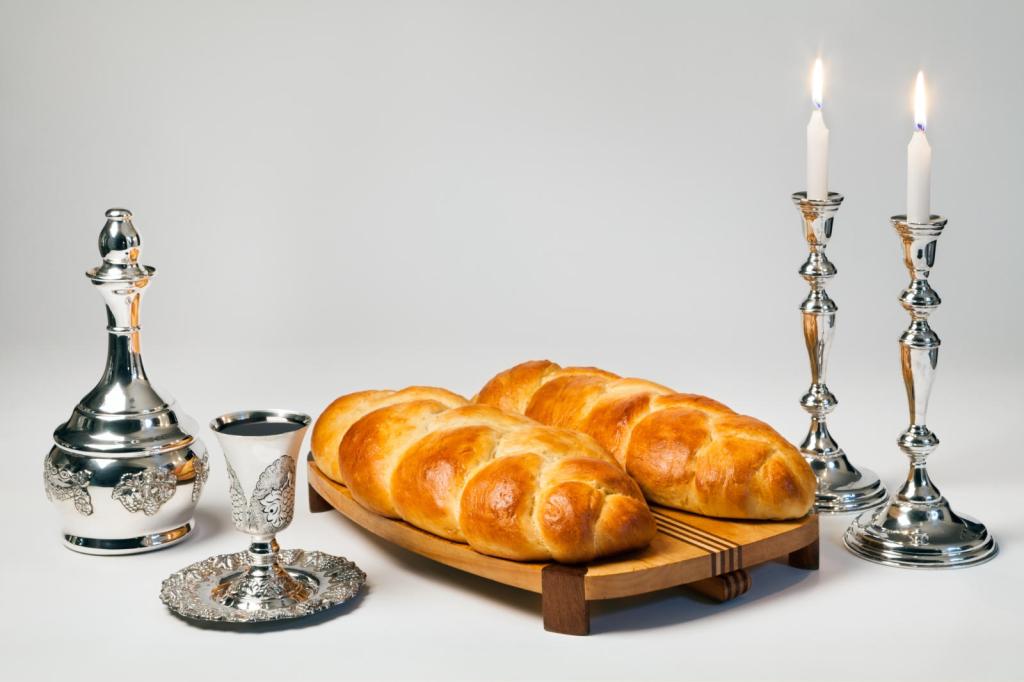
This is a critical theological distinction that is often overlooked or misrepresented. The sanctification of the Sabbath and the sanctification of Israel are not two separate ideas—they are inextricably and infinitely ♾️ bound together, both in Scripture and in the covenantal relationship between YHVH and His people. The sanctification of the Sabbath is a distinction granted uniquely to Israel; it is not conferred upon or transferred to the nations merely by their self-claim, nor by observing it on their own volition or initiative—whether through recitation, assumption, appropriation, or imitation—in an effort to emulate the Jewish people or replicating the Jewish practice and tradition.
1. The Sabbath Is a Sign Between God and Israel
The Torah makes it abundantly clear that the Sabbath is not just a day of rest—it is a covenantal sign, specifically and exclusively between God and Israel:
“Surely My Sabbaths you shall keep, for it is a sign between Me and you throughout your generations, that you may know that I am YHVH who sanctifies you.”
— Exodus 31:13
This verse ties three sacred elements together in one breath:
- The Sabbath
- The sign of the covenant
- The sanctification of Israel
God explicitly says: “It is a sign… that I am YHVH who sanctifies you.” Not “them.” Not the nations. You—Israel. The Sabbath is the covenantal marker that identifies Israel as the people set apart by YHVH.
2. The Sabbath Is a Gift to Israel, Not a Universal Tool for Holiness
While the Sabbath was blessed and sanctified at creation (Genesis 2:3), it was not given to humanity at large in a covenantal framework. It was only with Israel—at Sinai—that the Sabbath became commanded, legal, and sanctifying.
“You came down also on Mount Sinai… You made known to them Your holy Sabbath, and commanded them precepts, statutes and laws, by the hand of Moses Your servant.” — Nehemiah 9:13–14
God did not make His Sabbath known to the nations. He made it known to Israel. It was given as a special possession, just as the Torah and the Land were.
3. Sanctification Is Tied to Covenant, Not Imitation
There is a critical distinction between imitating holy behavior and being sanctified through covenant. A Gentile may refrain from work on the seventh day, light candles, and sing Sabbath songs—but this does not bring sanctification, because sanctification comes not through ritual alone, but through covenantal identity.
- Israel is sanctified by YHVH because He chose them, revealed Himself to them, and entered into a binding covenant with them.
- The Sabbath functions as a sign of that sanctification, not the cause of sanctification for others.
- The nations may be blessed through Israel, but they are not sanctified as Israel by mimicking covenantal signs.
4. Gentile Observance Does Not Equal Covenant Inclusion
This is where many Hebrew Roots, Messianic Gentile, and Sacred Name movements go off the rails. They assume that by “doing what Israel does,” they become sanctified or covenantally aligned. But this is a theological fallacy.
Just as wearing a wedding ring does not make you married, observing the Sabbath does not place you in covenant with the God of Israel unless you are part of the people to whom that covenant was given.
This is not exclusion—it is definition. God sanctified Israel. God sanctified the Sabbath. And He joined the two together as a sign. The nations are not included in that sanctification by default, nor by imitation. They may respect the Sabbath, they may even be drawn to its light, but they are not participants in its covenantal power unless they are grafted in through Israel, not apart from her.
5. Conclusion: Sabbath Sanctification Is Israel-Specific
To put it plainly:
- The Sabbath is a holy day, sanctified by God Himself.
- Israel is a holy nation, sanctified by God Himself.
- The Sabbath and Israel are joined together by divine covenant.
- Gentile observance of the Sabbath does not sanctify the Gentile. It may be admirable, it may be respectful, but it is not covenantal.
To suggest otherwise is to flatten the covenant, erase Israel’s unique calling, and undermine the divine order established in Torah. Holiness is not claimed by imitation. It is bestowed by election, sealed by covenant, and marked by signs—of which the Sabbath is chief.
So let the nations admire the Sabbath, but let them never presume to claim its sanctifying power apart from the people to whom it was given.
THE ONLY WAY A GENTILE CAN BE SANCTIFIED BY THE SABBATH
The only way a Gentile can be sanctified by the Sabbath is if he is within Israel—either dwelling among Israel, joined to Israel, or submitted to Israel’s covenantal identity. The Sabbath is not a spiritual vending machine available to all comers. It is a covenantal sign, and make no mistake about it, that covenant is with Israel.
Any attempt by Gentiles to claim the sanctifying power of the Sabbath apart from Israel—whether by replacing Israel, ignoring Israel, redefining themselves as “spiritual Israel” or some other Christian wishful thinking or platitude—is not only theologically false, it is an act of spiritual trespass. No matter what they may think about the Jewish people—whether they reject, deny, despise, or attempt to bypass them—the covenantal framework remains fixed: God sanctifies through Israel, not around her.
1. Only “Within Your Gates”: The Torah’s Covenant Parameters
From the very beginning, the Sabbath commandment includes the “stranger” (ger) only in the context of being within the household of Israel:
“But the seventh day is the Sabbath of YHVH your God; in it you shall not do any work—you, your son, your daughter… nor your stranger who is within your gates…”
— Exodus 20:10
This is not a free-floating Gentile observing from a distance. This is a non-Israelite who dwells among Israel, under her covenantal authority, participating in her life, and accepting her God—not on his own terms, but on Israel’s terms.
The inclusion is not independent. The sanctification of the Sabbath for the Gentile is only by proximity and submission to Israel’s covenantal household.
2. Rejoicing With Israel — Not Replacing Her
“Rejoice, O nations, with His people…”
— Deuteronomy 32:43
This prophetic verse makes the relationship clear: the nations are invited to rejoice with Israel, not as Israel, and certainly not in place of Israel. The Gentile does not become holy by asserting equality or inventing a parallel identity. He becomes aligned with holiness only by standing with, submitting to, and blessing Israel.
3. Isaiah 56: The Criteria for Inclusion
One of the most misquoted and misused passages among Christian Sabbatarians, sacred names, and Hebrew roots groups is Isaiah 56, where Gentiles are promised a place if they keep the Sabbath. But they conveniently ignore the full requirement:
“Also the sons of the stranger, that join themselves to YHVH, to serve Him, and to love the name of YHVH, to be His servants, every one that keeps the Sabbath from profaning it, and takes hold of My covenant—even them will I bring to My holy mountain…”
— Isaiah 56:6–7
This is not an independent spiritual venture. This is a Gentile who has joined himself to Israel’s God, who takes hold of the covenant—the covenant that was made with Israel, not the nations.
To “take hold of My covenant” means to submit to Israel’s God, Israel’s Torah, and Israel’s authority—not to invent a private version of the covenant under the banner of self-declared “spiritual Israel.”
4. There Is No Sanctification in Replacement
A Gentile cannot be sanctified by the Sabbath while simultaneously:
- Claiming that Israel is no longer God’s covenant people.
- Replacing Israel with the Church, a sect, or a spiritual ideology.
- Reimagining himself as “spiritual Israel” based on belief alone.
- Denying the role of the Jewish people in guarding the Torah and the Sabbath.
This is theological hijacking, not covenantal inclusion. The moment a Gentile seeks to circumvent Israel to get to Israel’s God, he has already violated the structure of the covenant.
“Salvation is of the Jews.”
— John 4:22 (Even Yeshua, a Jew, affirms this foundational truth.)
5. Conclusion: Sanctification Is Through Submission, Not Substitution
The Sabbath does sanctify—but only within the boundaries God established. And God established Israel as the people through whom sanctification flows. For a Gentile to be sanctified by the Sabbath:
- He must be within Israel’s gates (Ex. 20:10).
- He must rejoice with Israel, not replace her (Deut. 32:43).
- He must join himself to YHVH through Israel’s covenant (Isa. 56:6).
- He must submit to the God of Israel as revealed through Israel’s Torah, not his own.
Any attempt to claim the Sabbath while rejecting, bypassing, or replacing Israel is not sanctification—it is spiritual fraud. It is a counterfeit covenant built on pride and presumption.
There is no holiness outside of God’s order. And God’s order is clear: the Sabbath belongs to Israel, and only those who join themselves to Israel’s covenant can enter into its sanctifying rest.
IN ORDER FOR A GENTILE TO KEEP, OBSERVE AND GUARD THE SABBATH HE MUST ENTER INTO ISRAEL’S COVENANT.
From a New Testament perspective, it is not contrary, not contradictory, not inconsistent, and certainly not unnecessary for a Gentile believer in Jesus to join in covenant with Israel. In fact, the apostolic writings affirm that Gentile inclusion in the re-newed covenant is only meaningful when it is done through Israel—not apart from or in place of her. Let’s break this down scripturally and theologically.
1. Gentile Inclusion Must Be Through Israel, Not Apart from Her
The Apostle Paul, writing to a largely Gentile audience in Ephesus, is unambiguous:
“At that time you were without Messiah, being aliens from the commonwealth of Israel and strangers from the covenants of promise, having no hope and without God in the world. But now in Messiah Jesus, you who once were far off have been brought near by the blood of Christ.” — Ephesians 2:12–13
Paul does not say that Gentiles were brought into a new covenant apart from Israel. He says they were once strangers to the covenants (plural), but are now brought near—that is, brought into Israel’s covenantal life, not to form a new entity, but to become participants in the existing promises.
2. Gentile Believers Are Grafted Into Israel’s Tree
Paul uses the metaphor of an olive tree in Romans 11 to describe Israel’s covenantal identity and the proper relationship of Gentile believers to it:
“You, being a wild olive tree, were grafted in among them, and with them became a partaker of the root and fatness of the olive tree… do not boast against the branches… you do not support the root, but the root supports you.”
— Romans 11:17–18
Gentiles are not called to replace Israel or create a new tree—they are to be grafted into Israel’s Jewish tree, rooted in the patriarchs, nourished by the covenants, and sustained by God’s promises. This is not symbolic—it is covenantal reality.
3. Covenant with Israel Is the Context of Salvation History
Jesus Himself affirms the central role of Israel:
“Salvation is from the Jews.”
— John 4:22
He did not say salvation is from a generic universalism, nor did He nullify Israel’s role. He made it plain that any redemptive work God is doing among the nations flows from His covenant with Israel. To believe in Jesus while denying the covenantal structure He upheld is to misunderstand both Jesus and the gospel.
4. The Early Church Did Not Teach Covenant Apart from Israel
In Acts 15, at the Jerusalem Council, the question was not whether Gentiles could be included—it was >how< they would be included without requiring full conversion to Judaism or by becoming a Jew or taking on Jewish identity. The outcome affirmed that Gentiles could be welcomed into the community of faith without losing their ethnic identity, but also without severing from Israel’s covenantal framework.
The apostles upheld a vision of unity through shared faith and covenantal alignment, not one of separation or supersession.
5. Covenant with Israel Is Not Optional—It Is Foundational
To suggest that joining in covenant with Israel is “unnecessary” for a Gentile believer is to imply that the root can be ignored while still enjoying the fruit. But Paul warns against this exact mindset:
“Do not be arrogant, but fear… For if God did not spare the natural branches, He may not spare you either.” — Romans 11:20–21
Faith in Jesus does not eliminate the need for covenant—it requires it. And the only covenant in view is Israel’s covenant, fulfilled and extended through Messiah, not annulled by Him.
Conclusion: Gentile Covenant Participation Through Israel Is New Testament Truth
So, is it contrary or inconsistent for a Gentile Jesus-believer to join in covenant with Israel?
Absolutely not.
It is, in fact, the only biblically consistent way for a Gentile to be part of God’s redemptive people.
- It is not contrary—it fulfills God’s plan.
- It is not contradictory—it harmonizes with Torah and Gospel.
- It is not inconsistent—it is the very pattern established by the apostles.
- It is not unnecessary—it is essential to understanding your place in God’s family.
Any theology that encourages Gentiles to relate to Jesus apart from Israel, or in replacement of Israel, is not New Testament theology—it is a distortion of it.
THE FOURTH WORD AS AN INDEX TO THE 613 MITZVOTH
The Fourth Word of the Aseret HaDevarim (“The Ten Words”)—the commandment to remember and sanctify the Sabbath day—serves as the foundation for a number of individual mitzvot (commandments) in the 613 mitzvot of the Torah.
These mitzvot relate to both the positive observance and prohibitions associated with Shabbat (the Sabbath).
The Fourth Word (Exodus 20:8–11, Deut. 5:12–15):
“Remember (זָכוֹר / Zachor) the Sabbath day, to keep it holy…”
and in Deuteronomy:
“Guard (שָׁמוֹר / Shamor) the Sabbath day, to keep it holy…”
These two expressions—Zachor (remember) and Shamor (guard)—are understood in Jewish tradition (e.g., Mekhilta, Shevuot 20b) as encompassing both positive and negative commandments relating to Shabbat.
📜 Mitzvot Related to the Fourth Word
Here are the main mitzvot (both positive and negative) that stem from the Fourth Word according to classic Jewish enumeration (such as Rambam’s Sefer HaMitzvot and the Chinuch):
Positive Commandments (Mitzvot Aseh):
- To sanctify the Sabbath day with words (Kiddush)
- 📖 Exodus 20:8 – “Remember the Sabbath day to keep it holy.”
- Mitzvah #155 (Rambam): Reciting Kiddush at the beginning of Shabbat to sanctify the day.
- This includes the verbal acknowledgment of Shabbat’s holiness, typically performed over wine.
- To rest on the Sabbath day
- 📖 Exodus 23:12, Exodus 20:10 – “You shall not do any work…”
- Mitzvah #154 (Rambam): Ceasing from labor—positive rest, not just abstaining from work.
- To remember the Exodus from Egypt on Shabbat
- 📖 Deuteronomy 5:15 – “You shall remember that you were a slave in the land of Egypt…”
- This remembrance is part of Kiddush and the theological meaning of Shabbat, tying it to redemption.
Negative Commandments (Mitzvot Lo Ta’aseh):
- Not to do work on the Sabbath day
- 📖 Exodus 20:10 – “You shall not do any work…”
- Mitzvah #320 (Rambam): Prohibition against performing melachah (forbidden work), which is defined in 39 categories (based on Temple work—see Mishnah Shabbat 7:2).
- Not to go beyond the Sabbath boundary (techum Shabbat)
- 📖 Exodus 16:29 – “Let no man go out of his place on the seventh day.”
- Mitzvah #321 (Rambam): Prohibition against walking more than a set distance outside one’s domain.
- Not to inflict punishment on the Sabbath
- 📖 Exodus 35:3 and Numbers 15:32–36 suggest that execution and judicial punishments were suspended on Shabbat.
- Mitzvah #323 (Rambam): Based on rabbinic extrapolation.
- Not to kindle fire on the Sabbath
- 📖 Exodus 35:3 – “You shall not kindle a fire in any of your dwellings on the Sabbath day.”
- Mitzvah #322 (Rambam): Includes the prohibition against cooking, heating, or lighting fire—also applied to electricity in modern halakhah.
🧾 Summary Comprehensive List from the 613 Mitzvot Under the Fourth Word
| Mitzvot # | Type | Commandment | Scriptural Source |
| 32 | Positive | To rest on the seventh day (Shabbat) | Exodus 23:12; Exodus 20:10 |
| 33 | Negative | Not to do prohibited labor on the Sabbath | Exodus 20:10 |
| 34 | Negative | Not to walk outside city limits on the Sabbath (techum) | Exodus 16:29 (Oral law derived) |
| 35 | Positive | To sanctify the Sabbath day with Kiddush and Havdalah | Exodus 20:8 |
| 36 | Negative | Not to inflict punishment on the Sabbath | Exodus 35:3 |
| 37 | Negative | Not to light a fire in a dwelling on the Sabbath | Exodus 35:3 |
| 38 | Negative | Not to carry in public domain on the Sabbath (Melacha: Hotza’ah) | Jeremiah 17:21 (Oral law basis) |
| 39 | Positive | To remember the Exodus on the Sabbath (thematic inclusion) | Deuteronomy 5:15 |
| 40 | Positive | To honor the Sabbath (Oneg Shabbat: enjoy meals, dress well) | Isaiah 58:13 (Rabbinic) |
| 41 | Positive | To prepare for the Sabbath in advance (Hachanah) | Exodus 16:5 (Rabbinic) |
| 134 | Positive | To rest the land in the seventh year (Shemita) | Exodus 23:11; Leviticus 25:2 |
| 135 | Negative | Not to work the land during the Shemita year | Leviticus 25:4 |
| 136 | Negative | Not to harvest crops in the Shemita year as in other years | Leviticus 25:5 |
| 137 | Positive | To forgive debts in the Shemita year | Deuteronomy 15:2 |
| 138 | Positive | To sanctify the fiftieth year (Yovel) | Leviticus 25:10 |
| 139 | Positive | To sound the shofar on Yom Kippur of the Jubilee year | Leviticus 25:9 |
| 140 | Positive | To release all Hebrew slaves in the Jubilee year | Leviticus 25:10 |
| 141 | Positive | To return land to its ancestral owners in the Jubilee year | Leviticus 25:24 |
| 142 | Negative | Not to work the land in the Jubilee year | Leviticus 25:11 |
| 143 | Negative | Not to work on the first day of Pesach | Leviticus 23:7 |
| 144 | Negative | Not to work on the seventh day of Pesach | Leviticus 23:8 |
| 145 | Negative | Not to work on Shavuot | Leviticus 23:21 |
| 146 | Negative | Not to work on Rosh Hashanah | Leviticus 23:25 |
| 147 | Negative | Not to work on Yom Kippur | Leviticus 23:28 |
| 148 | Negative | Not to work on the first day of Sukkot | Leviticus 23:35 |
| 149 | Negative | Not to work on Shemini Atzeret | Leviticus 23:36 |
| 150 | Positive | To observe Yom Kippur as a Shabbat of solemn rest (Shabbaton) | Leviticus 23:32 |
Conclusion
The Fourth Word functions as a summary command that encompasses a cluster of mitzvot—both ritual and ethical, positive and negative—all revolving around the sanctity of Shabbat and holy time. These are not universal laws, but are covenantal commands uniquely given to Israel, as a sign of their identity and relationship with YHVH:
“It is a sign between Me and the children of Israel forever…”
— Exodus 31:17
These mitzvot form a framework of holiness in time—Shabbat being the covenantal heartbeat of Jewish life.
THERE IS ONLY ONE DAY CALLED SHABBAT – NOT ANY OTHERS
This is particularly relevant to the readers of English translations of the Torah and the KJV translation in particular. In the Hebrew Text there is only one day called shabbat in Torah – not any others. While many holy days (mo’edim) involve Sabbath-like rest, the actual Hebrew word “שַׁבָּת” (Shabbat) — spelled shin-bet-tav — is not always used to describe them.
Let’s look at the actual Hebrew texts to determine where the word Shabbat appears, and where it does not, particularly for:
📜 1. Rosh Hashanah (Feast of Trumpets)
Leviticus 23:24 (Hebrew):
דַּבֵּ֞ר אֶֽל־בְּנֵ֣י יִשְׂרָאֵ֗ל לֵאמֹ֔ר בַּחֹ֛דֶשׁ הַשְּׁבִיעִ֥י בְּאֶחָ֖ד לַחֹ֑דֶשׁ יִֽהְיֶ֤ה לָכֶם֙ שַׁבָּת֔וֹן זִכְר֥וֹן תְּרוּעָ֖ה מִקְרָא־קֹֽדֶשׁ׃
Transliteration: …yihyeh lakhem Shabbaton, zikhron teru’ah miqra qodesh.
Translation: “…you shall have a Sabbath rest (Shabbaton), a memorial of blowing [the shofar], a holy convocation.”
Observation:
- The word שַׁבָּתוֹן (Shabbaton) is used—not שַׁבָּת (Shabbat).
- “Shabbaton” implies a sabbath-like rest, but is grammatically distinct from “Shabbat”.
📜 2. Shavuot (Feast of Weeks)
Leviticus 23:21 (Hebrew):
וּקְרָאתֶ֨ם בְּעֶ֜צֶם הַיּ֣וֹם הַזֶּ֗ה מִקְרָא־קֹ֙דֶשׁ֙ יִהְיֶ֣ה לָכֶ֔ם כָּל־מְלֶ֥אכֶת עֲבֹדָ֖ה לֹ֣א תַעֲשׂ֑וּ חֻקַּ֤ת עוֹלָם֙ בְּכֹ֣ל מוֹשְׁבֹֽתֵיכֶ֔ם לְדֹרֹ֖תֵיכֶֽם׃
Translation: “And you shall proclaim on this same day a holy convocation… you shall do no regular work…”
🔎 Observation:
- There is no use of the word Shabbat or Shabbaton here.
- The holy day is defined by a mikra kodesh (sacred assembly) and cessation of labor, but not called “Shabbat.”
📜 3. Sukkot (Feast of Tabernacles)
Leviticus 23:39 (Hebrew):
אַ֣ךְ בַּחֲמִשָּׁ֨ה עָשָׂ֜ר י֣וֹם לַחֹ֗דֶשׁ הַשְּׁבִיעִי֙ בְּאָ֣סְפְּכֶ֣ם אֶת־תְּבוּאַ֣ת הָאָ֔רֶץ תָּחֹ֙ג֙ אֶת־חַ֣ג יְהוָ֔ה שִׁבְעַ֖ת יָמִ֑ים בַּיּ֣וֹם הָרִאשׁ֡וֹן שַׁבָּת֩וֹן֩ וּבַיּ֨וֹם הַשְּׁמִינִ֜י שַׁבָּת֗וֹן.
Translation: “…you shall celebrate the Feast of YHVH for seven days… on the first day a Shabbaton, and on the eighth day a Shabbaton.”
🔎 Observation:
- The term Shabbaton is used twice—again, not “Shabbat.”
- These are rest days, modeled after the Sabbath, but the Torah does not equate them by name.
Summary of Terms
| Festival | Word Used | Hebrew Term | Notes |
| Weekly Sabbath | Shabbat | שַׁבָּת | The original and true seventh-day Sabbath |
| Yom Kippur | Shabbat Shabbaton | שַׁבַּת שַׁבָּתוֹן | Called a “Sabbath of Sabbaths” (Leviticus 16:31) |
| Rosh Hashanah | Shabbaton | שַׁבָּתוֹן | Sabbath-like rest, not called “Shabbat” |
| Sukkot (1st & 8th days) | Shabbaton | שַׁבָּתוֹן | Rest days, but not “Shabbat” |
| Shavuot | No “Shabbat” | (None) | Called “mikra kodesh,” no use of “Shabbat” |
✅ Conclusion
In Hebrew Scripture, the weekly seventh-day Sabbath alone is explicitly called שַׁבָּת (Shabbat). The festivals may be described using the term שַׁבָּתוֹן (Shabbaton)—which denotes a Sabbath-like rest—but they are not named or equated with “Shabbat” in the strict textual sense.
So while the festivals resemble the Sabbath in function (rest, sacred assembly), they do not carry its name—a clear indication that Shabbat is unique in its identity, holiness, and origin.
✡️ The weekly Sabbath is the only day in the Torah that is called Shabbat in name, by God, and sanctified independently of human declaration.
Referring to the feast days, holy convocations, or other days of rest as “Sabbath” or “Sabbaths” is not supported by the language of the Hebrew Bible. While such terminology may be commonly used, it represents an imprecise and inaccurate description. The biblical text consistently reserves the term “Shabbat” (שַׁבָּת) for the seventh day of the week, uniquely sanctified at creation and distinguished as the covenantal sign between YHVH and Israel. Other appointed times may be called days of rest (shabbaton) or holy convocations (mikra’ei kodesh), but they are never equated with the weekly Sabbath in status, terminology, or covenantal significance.
THE WORD SABBATH
The word Sabbath is not explicitly mentioned before Exodus 16 because the concept of a divinely ordained day of rest is only formally introduced to Israel as part of their covenant relationship with God during the events surrounding their journey in the wilderness.
Here are some key points:
1. Creation Narrative in Genesis:
In Genesis 2:2-3, God rests on the seventh day after creating the world and sanctifies it. While this establishes the principle of rest, the term Sabbath (שַׁבָּת, Shabbat) is not used here. The narrative emphasizes God’s example but does not yet prescribe the practice to humanity.
2. Introduction in Exodus 16:
The term Sabbath first appears in Exodus 16:23, where God commands the Israelites to gather manna for six days and rest on the seventh. This is the first time the word is explicitly connected to a commandment for Israel to observe.
3. Cultural and Historical Context:
Prior to the Exodus, the Israelites were slaves in Egypt, where they likely had no opportunity to observe a day of rest. The concept of a Sabbath as a formal institution for God’s people is tied to their liberation and covenant identity, introduced as part of their relationship with God post-Exodus.
4. Formalization in the Ten Commandments:
The Sabbath is officially enshrined as a commandment in Exodus 20:8-11, where it is linked to both the creation narrative and Israel’s covenant with God. This makes the Sabbath a central marker of their distinct identity as a people chosen by God.
In summary, the Sabbath is not mentioned earlier because it was not yet instituted as a formal practice for humanity or the people of Israel. Its introduction in Exodus aligns with the unfolding of God’s covenantal relationship with His people.
The word Sabbath (שַׁבָּת, Shabbat) is etymologically rooted in the Hebrew verb shavat (שָׁבַת), which means “to cease,” “to rest,” or “to stop.” While it is deeply tied to the concept of covenant in the context of Israel, there is evidence that the idea of a seventh-day rest existed as a broader concept before its formal institution for Israel.
Sabbath and the Covenant
1. The Sabbath as a Covenant Sign:
In the Bible, the Sabbath is explicitly identified as a sign of the covenant between God and Israel:
• “It is a sign between me and the people of Israel forever” (Exodus 31:16-17).
This makes the Sabbath inextricably linked to Israel’s identity and covenantal relationship with God.
2. Formalization with Israel:
While the Sabbath is a part of God’s covenant with Israel, its roots go back to the creation narrative. In Genesis 2:2-3, God ceases His work on the seventh day and sanctifies it, setting a precedent for rest. However, this is a divine action rather than a human commandment at this point. The covenantal observance begins with Israel in the wilderness (Exodus 16) and is formalized in the Ten Commandments (Exodus 20).
Did the Sabbath Exist as a Practice Before Israel?
1. Creation Account (Genesis 2:2-3):
The sanctification of the seventh day in the creation story shows that the principle of rest predates Israel. However, there is no evidence that humanity was commanded to observe it as a practice until it was given to Israel.
2. Ancient Near Eastern Parallels:
Some scholars argue that the concept of a day of rest may have had parallels in ancient Near Eastern cultures. For example, the Babylonians had a seven-day cycle with certain restrictions on activity, though their concept of “rest” was not identical to the Sabbath and was often tied to astrology or religious rites.
3. Pre-Israelite Practices:
There is no direct evidence in the biblical text or external sources that other peoples or cultures observed a Sabbath in the same way Israel was commanded to. The Sabbath as a divinely instituted, covenantal day of rest seems to be unique to Israel’s relationship with God.
The Sabbath as a commanded observance is inextricably tied to the covenant between God and Israel. While the principle of rest is rooted in the creation account, the practice of Sabbath rest is explicitly given to Israel as a covenantal sign. Before this, there is no indication in the biblical text that it was practiced or required of humanity.
Conclusion
The Sabbath is Inextricably Tied to God’s Covenant with Israel
The Sabbath is covenantal in its specific application to Israel, marking them as a distinct people in relationship with God. Its broader roots in the creation narrative suggest a universal principle of rest, but the practice itself, as given to Israel, did not exist as a universal observance prior to the covenant.
The concept of a seven-day week is unique in that it does not correspond directly to any obvious astronomical cycle, such as the lunar month (approximately 29.5 days) or the solar year. While Israel and the Jewish people are the earliest known group to use the seven-day week for religious and cultural purposes, some other cultures have also adopted the seven-day week. However, these usages are often historically linked to contact with or influence from the Jewish or later Christian tradition, rather than being entirely independent.
Evidence from History
1. Israel and the Jewish Tradition:
The seven-day week originates with the creation account in Genesis 1–2, where God creates the world in six days and rests on the seventh. The observance of the Sabbath (the seventh day) as a day of rest is central to Jewish practice and was formalized in the Mosaic covenant. This is the earliest recorded and religiously codified use of a seven-day week.
2. Babylonian Influence?
Some scholars speculate that the Babylonians, who observed a seven-day period tied to phases of the moon, may have influenced the development of the seven-day week. However, the Babylonian week was irregular, as it was tied to the lunar cycle, and was not a fixed, repeating seven-day cycle like the one used in Jewish tradition.
3. Roman Adoption of the Seven-Day Week:
The Romans originally used an eight-day week, but they adopted the seven-day week in the 1st century CE, largely due to the influence of Jewish and Christian practices. By the 4th century CE, the seven-day week was formalized throughout the Roman Empire under Emperor Constantine, who was influenced by Christianity.
4. Independent Cultures and Seven-Day Weeks:
No known culture prior to or outside the influence of the Jewish people, early Christians, or the Babylonian system developed a completely independent seven-day week. Other cultures used weeks of different lengths, such as:
• Ancient Egyptians: A 10-day week tied to their calendar.
• Ancient Chinese: Cycles of 10 days used in their calendrical systems.
• Aztecs and Mayans: Various calendar systems, including 13- and 20-day cycles, unrelated to seven days.
5. Possible Exceptions:
While many ancient cultures observed periodic cycles, none is known to have independently established a fixed seven-day cycle detached from celestial bodies before Israel. The seven-day week appears to have been unique to Israel and spread through cultural diffusion rather than being independently invented elsewhere.
Conclusion
The seven-day week, as an independent and fixed cycle, appears to have originated uniquely within Jewish tradition, based on religious principles rather than calculations of celestial bodies. While it later spread to other cultures through influence and adoption, there is no historical evidence of an independent seven-day week in any other nation or culture prior to or outside of Jewish influence.
The ancient Egyptian week consisted of 10 days, known as a decade. This was part of their solar calendar, which divided the year into 36 decades (10-day weeks) within 12 months of 30 days each, plus an additional 5 intercalary days at the end of the year to total 365 days.
Structure of the Egyptian Calendar
1. Decades (10-day weeks):
• The Egyptians used a 10-day cycle for administrative, agricultural, and religious purposes.
• Each decade corresponded to the rotation of different tasks and rituals, such as shifts for temple workers and labor teams.
2. Months and Seasons:
• A month had three decades (30 days), and the year was divided into three seasons of four months each:
• Akhet (Inundation/Flooding season)
• Peret (Emergence/Growing season)
• Shemu (Harvest/Drought season)
3. Use of Decades in Society:
• The 10-day system played a significant role in the organization of Egyptian society, particularly in labor systems, such as those used for pyramid construction and temple service.
• Religious calendars and star charts (decan stars) also incorporated the 10-day cycle.
Comparison to the Seven-Day Week
The Egyptian 10-day week contrasts sharply with the seven-day week of the Hebrew tradition, which was not tied to administrative cycles but rather to religious and covenantal principles. The seven-day week has no astronomical or practical basis in the way the Egyptian decade was linked to societal needs and celestial observation.
Yes, it is likely that the Israelites, during their time in Egypt, would have been familiar with and influenced by the Egyptian calendar and its 10-day week system. As enslaved people integrated into Egyptian society, they would have operated within the rhythms and systems of their environment, including its calendar for work schedules, agricultural cycles, and possibly religious observances.
However, there are some considerations regarding their unique identity and eventual shift to a distinct system:
1. Influence of Egyptian Practices
• Integration into Egyptian Society:
As part of their forced labor and integration into Egyptian life, the Israelites would have adhered to Egyptian norms and structures, including the 10-day week system for their labor cycles and administrative activities.
• Religious Distinction:
While they were influenced by Egyptian culture, the Israelites maintained a distinct religious identity centered on their ancestral traditions, which likely included elements of worship, values, and practices that differed from Egyptian norms (e.g., monotheistic worship of Yahweh).
2. The Shift to the Seven-Day Week
• Introduction of the Sabbath:
The seven-day week and the Sabbath were introduced formally to Israel as part of their covenant with God after their liberation. In Exodus 16, during the giving of manna, the Israelites are instructed to gather food for six days and rest on the seventh, marking a significant shift from Egyptian practices.
• Cultural Reclamation:
The shift to a seven-day week and the observance of the Sabbath served as a way to establish a distinct identity for the Israelites, separate from their Egyptian past. The seven-day cycle became a cornerstone of their covenantal relationship with God, rooted in the creation narrative (Genesis 2:2-3) and formalized in the Mosaic Law.
3. Practical Implications
• Unlikely Pre-Exodus Practice:
There is no evidence that the Israelites observed a seven-day week or Sabbath-like rest during their time in Egypt. Their existence as enslaved laborers would have required them to conform to Egyptian labor cycles.
• Adoption Post-Exodus:
The seven-day week was likely reintroduced or instituted as part of the cultural and religious renewal following their liberation. This was a deliberate break from Egyptian systems, emphasizing their unique relationship with God and their role as His covenant people.
Conclusion
While the Israelites in Egypt would have followed the Egyptian calendar and 10-day week system out of necessity, their liberation marked a profound shift to a seven-day week centered on the Sabbath. This transition symbolized their separation from Egypt and their identity as a people in covenant with God.
Yes, there is evidence in the biblical text that the Israelites were inaugurated into a new time system—a system that marked a deliberate break from the Egyptian decan (10-day) week system and calendar. This new framework for measuring time became part of Israel’s identity as a covenant people, emphasizing their distinct relationship with God.
Evidence of the Shift in the Week, Months, and Years
1. The Seven-Day Week:
• Introduction of the Sabbath:
The Sabbath was formally introduced in Exodus 16 when God instructed the Israelites to gather manna for six days and rest on the seventh. This inaugurated a weekly cycle based on a divinely instituted pattern of work and rest, rooted in the creation narrative (Genesis 2:2-3).
• Break from the Egyptian Decan:
The Sabbath and the seven-day week broke with the Egyptian 10-day week system, establishing a rhythm independent of the Egyptian labor and religious cycles. The seven-day week became a cornerstone of Israel’s religious identity.
2. The Lunar Month System:
• New Sacred Calendar:
In Exodus 12:1-2, God establishes a new calendar for the Israelites, declaring the month of Abib (later called Nisan) as the beginning of their year:
• “This month shall be for you the beginning of months. It shall be the first month of the year for you.”
This was a significant departure from the Egyptian calendar, which was based on a solar year of 12 months of 30 days, plus 5 intercalary days.
• Lunar-Based System:
Israel’s calendar followed a lunar cycle, with months determined by the sighting of the new moon. This contrasted with the Egyptian solar calendar and the rigid administrative decades used in their timekeeping.
3. The Sabbatical and Jubilee Years:
• Seven-Year Agricultural Cycle:
In Leviticus 25, God commands the Israelites to observe a seven-year agricultural cycle, with every seventh year being a Sabbath year for the land. This reflects the sacredness of the seven-day cycle extended into years, again breaking from Egyptian systems.
• Jubilee Year:
After seven cycles of seven years (49 years), the 50th year was declared a year of Jubilee, marked by economic and social resets, such as the freeing of slaves and the return of land.
4. Sacred Feasts and Festivals:
• Aligned with the New Calendar:
Israel’s festivals, such as Passover, Feast of Weeks (Pentecost), and Feast of Tabernacles, were tied to their lunar calendar and agricultural cycles. These festivals established a sacred rhythm of time independent of Egyptian religious festivals.
Theological Significance of the New Time System
• Divine Sovereignty Over Time:
By instituting a new time system, God asserted His sovereignty over time, separating Israel from Egypt’s system, which was tied to their pantheon and cosmic order.
• Covenantal Identity:
The new calendar and timekeeping system reinforced Israel’s identity as a people in covenant with Yahweh. It marked time not by the stars or Egyptian gods but by God’s acts in creation, redemption, and providence.
Historical Context
• Departure from Egyptian Influences:
The break from Egypt’s 10-day week and solar calendar was symbolic of Israel’s liberation, not just physically but also culturally and spiritually. It was a rejection of Egypt’s cosmic and societal order in favor of a divinely instituted rhythm of time.
• Unique System:
The Israelite system of weeks, months, and years was distinctive in the ancient Near East. While other cultures used lunar calendars, the sacredness of the seven-day week and the Sabbath were unique to Israel.
Conclusion
The biblical evidence shows that Israel was inaugurated into a new time system that broke with the Egyptian decan or decade system. The seven-day week, the lunar-based calendar, and the sacred cycles of Sabbaths and jubilees were foundational to their covenantal identity, setting them apart as a people wholly devoted to God.
Yes, it is true that many Christians, particularly in Reformed, Evangelical, and Seventh-day Adventist traditions, believe the Sabbath commandment (the Fourth Word) should be observed because it is part of the Ten Commandments, which they regard as a universal moral law binding upon all of humanity—not just Israel.
However, this position, while sincere and well-intentioned, rests on a critical theological and hermeneutical error: it misunderstands the nature of the Ten Words (Aseret HaDevarim) in biblical and Jewish context, and it collapses the distinction between covenantal law and universal moral obligation.
Let’s examine and clarify this important issue.
1. The Ten Words Are Covenant, Not Universal Law
In Jewish understanding, the Ten Words are not a generic moral code—they are the terms of a covenant given specifically to Israel:
“And He declared unto you His covenant, which He commanded you to perform, even the Ten Words…”
— Deuteronomy 4:13
The text clearly identifies the Aseret HaDevarim as part of a covenantal agreement between YHVH and Israel. This is not the giving of moral law to all mankind—it is the formal establishment of a sacred national relationship between God and the people He redeemed from Egypt.
“I am YHVH your God, who brought you out of the land of Egypt, out of the house of bondage…”
— Exodus 20:2
This is the contextual foundation of all Ten Words. If the prologue is not universally applicable (Gentiles were not brought out of Egypt), then neither are the commandments which follow, unless otherwise stated or reaffirmed elsewhere.
2. Moral vs. Covenant-Specific Commandments
Some of the Ten Words do reflect universal moral principles—such as prohibitions against murder, theft, adultery, and false witness. These are consistent with natural law and are affirmed throughout Scripture as applying to all people.
However, the Sabbath commandment is fundamentally different. It is not rooted in natural law but in:
- Creation (Exodus 20): “For in six days YHVH made the heavens and the earth…”
- Redemption from Egypt (Deuteronomy 5): “And remember that you were a slave in Egypt, and YHVH your God brought you out…”
These are not moral imperatives in the abstract; they are covenantal signs and remembrances tied to Israel’s unique identity and relationship with God.
The Sabbath is also singled out in Scripture as a “sign” between God and Israel:
“It is a sign between Me and the children of Israel forever…”
— Exodus 31:17
No other commandment in the Decalogue is described this way. This indicates that the Sabbath is not merely a moral principle but a covenantal marker, exclusive to the relationship between YHVH and Israel.
3. The Christian Theological Shift
Christian theology, particularly since the time of Augustine and later the Reformers, recast the Ten Commandments as a moral code for all humanity, often detaching them from their covenantal Jewish context. This reinterpretation:
- Spiritualized or redefined the Sabbath (e.g., as “Sunday rest” or “spiritual rest in Christ”),
- Affirmed the other nine commandments as moral absolutes,
- But could not consistently explain why one covenantal sign (Sabbath) should remain universally binding while others—like circumcision, dietary laws, or Temple observance—do not.
This selective appropriation of Torah undermines the integrity of the covenantal framework. You cannot take the Ten Words out of their original setting and retrofit them into a universal moral philosophy without distorting their meaning.
4. New Testament Evidence: No Universal Mandate for Sabbath
Nowhere in the New Testament are Gentile believers commanded to observe the Sabbath as part of their obedience to God. In fact, Paul explicitly warns against imposing Sabbath observance on Gentile believers:
“Therefore let no one pass judgment on you in questions of food and drink, or with regard to a festival or a new moon or a Sabbath.”
— Colossians 2:16
“One person esteems one day above another; another esteems every day alike. Let each be fully convinced in his own mind.”
— Romans 14:5
Moreover, in Acts 15, when the apostles addressed the question of what to require of Gentile believers, Sabbath was not included in the list. Instead, they reaffirmed a version of the Noachide laws—the basic ethical standards given to all nations.
5. The Theological Irony
Christians who argue for Sabbath observance because “it’s part of the Ten Commandments” fail to realize that their very appeal to Sinai requires acknowledging the covenantal framework of Sinai—which was not given to the nations.
To claim the Sabbath as a universal obligation while ignoring the exclusive covenantal identity of Israel is to commit theological inconsistency at best, and spiritual appropriation at worst.
Conclusion: The Sabbath Is Not a Universal Moral Law
- The Sabbath is part of the covenantal identity of Israel, not a universal command for all nations.
- The Ten Words are the terms of a national covenant, not a generic moral code.
- Universalizing the Sabbath while discarding the rest of Israel’s covenantal signs is a selective and flawed theology.
- Jesus and the apostles never commanded Gentile believers to observe the Sabbath.
Therefore, while Christians may choose to honor a day of rest or reflection, claiming that Sabbath observance is universally binding because it is in the Ten Commandments is a misreading of the text, a disregard for covenantal context, and an erasure of Israel’s distinct role in sacred history.
Does the New Testament Teach That the Ten Commandments Must Be Kept and Obeyed?
This is an important question—one that touches the very heart of the relationship between the New Testament (NT), the Torah, and the covenant given to Israel. It also challenges modern assumptions about the role of the Ten Commandments (the Ten Words) in Christian life and theology.
Short Answer:
The New Testament affirms the moral and spiritual value of many of the Ten Commandments, but it does not teach that Gentile believers are obligated to keep the Ten Commandments as a unit of law, nor does it uphold them as a universal legal code detached from the covenantal framework of Israel.
Let’s break this down clearly and precisely.
1. The Ten Commandments Were Given as Part of the Sinai Covenant with Israel
“And He declared unto you His covenant, which He commanded you to perform, even the Ten Words…”
— Deuteronomy 4:13
The Ten Commandments are not abstract moral principles—they are the foundation of the covenant at Sinai, given to a specific people (Israel) at a specific moment in salvation history. The entire Decalogue is covenantal, beginning with:
“I am YHVH your God, who brought you out of the land of Egypt…”
— Exodus 20:2
This is not the introduction to a universal law code for all humanity—it’s the prologue to a covenant between God and Israel.
2. The New Testament Affirms the Righteousness of the Law—but Not Covenant Obligations for Gentiles
Paul says:
“Therefore the law is holy, and the commandment holy and just and good.”
— Romans 7:12
Yes—the Torah is holy, and that includes the Ten Words. But Paul also emphasizes that Gentiles are not under the Law (Romans 6:14), and that justification comes by faith, not by Torah observance (Romans 3:28).
He even distinguishes between Jews who received the Torah and Gentiles who did not:
“What advantage then has the Jew?… Much in every way! Chiefly because to them were committed the oracles of God.”
— Romans 3:1–2
The Law—including the Ten Words—was entrusted to Israel, not to the nations.
3. The Apostolic Council in Acts 15 Does Not Require the Ten Commandments for Gentile Believers
In Acts 15, the apostles convened to decide what should be required of Gentile converts to faith in Jesus. The result?
They were not commanded to keep the Law of Moses, and Sabbath was not imposed.
Instead, they were given a few basic moral instructions—likely based on the Noachide laws, which predate Sinai and are understood in Judaism as applying to all mankind.
“For it seemed good to the Holy Spirit and to us to lay upon you no greater burden than these necessary things…”
— Acts 15:28
Had the apostles believed that the Ten Commandments were universal obligations, this would have been the obvious place to say so—but they did not.
4. The New Testament Reaffirms Some Commandments, But Not the Covenant
Jesus and the apostles affirm many of the moral principles contained in the Ten Words:
- Do not murder (Matt 5:21)
- Do not commit adultery (Matt 5:27)
- Do not steal (Rom 13:9)
- Do not bear false witness (Eph 4:25)
- Honor your father and mother (Eph 6:2)
But this is not the same as saying, “You must keep the Ten Commandments.”
Rather, these principles are upheld because they reflect God’s moral nature and are rooted in natural law or in the law of Messiah (Galatians 6:2), not because Gentiles are bound by the Sinai covenant.
For example:
Paul says that love is the fulfillment of the law (Romans 13:10),
And that the law of the Spirit of life in Christ has made us free from the law of sin and death (Romans 8:2).
In other words, believers are called to live by the Spirit, not by returning to the written code of Sinai.
5. The Sabbath Commandment Is Not Reaffirmed in the NT for Gentiles
The most telling sign that the Ten Commandments are not being universally reimposed is this:
The Fourth Word—Remember the Sabbath day to keep it holy—is never reaffirmed as a commandment for Gentile believers in the New Testament.
In fact, Paul warns against being judged over Sabbaths and holy days:
“Let no one judge you… regarding a festival, or a new moon or sabbaths, which are a shadow of things to come, but the substance is Christ.”
— Colossians 2:16–17
And:
“One person esteems one day above another; another esteems every day alike. Let each be fully convinced in his own mind.”
— Romans 14:5
This shows that the Ten Commandments are not being enforced as a whole, unified legal unit for all believers—because the covenant in which they functioned is not being imposed on the Gentiles.
Conclusion: The Ten Commandments Are Covenant Law, Not Universal Moral Code
So while the New Testament upholds the righteousness of the Torah, it does not teach that Gentile believers must keep the Ten Commandments in the form they were given at Sinai. Instead:
- It reaffirms the moral principles that are consistent with natural law and the law of the Spirit,
- It recognizes the distinct role of Israel in receiving and guarding the Torah,
- And it declares that salvation and righteousness come through faith in the Messiah, not by works of the Law (including the Ten Words).
Therefore, the Ten Commandments are not a universal rulebook for all humanity.
They are the terms of a covenant between YHVH and Israel, and while some of their moral principles have universal echoes, the covenant itself is not universally binding—nor does the New Testament ever claim that it is.
If You Want to Honor, Guard and Keep the Sabbath Holy,You Must Go to the Synagogue: Spiritual and Ritual Sabbath Observance Belongs Within the Gates of Israel
Many Gentiles today speak of “keeping the Sabbath,” often with sincere intentions—but apart from Israel, apart from Torah, and apart from the synagogue community that has preserved Shabbat for thousands of years. What results is not the keeping of the Sabbath, but a shadow of it—a Saturday observance and practice defined not by Torah, but by individual interpretation. If you are not observing the Sabbath within the Gates of Israel, then what you are really observing is the seventh-day, Saturday. For example anybody can observe the seventh day, and you can call yourself a 7th-Day Adventist, a 7th-Day Baptist or some other hyphenated 7th– day church or denomination, but if you are going to be a Sabbath-Day Adventist, or a Sabbath Day Baptist or some other Sabbath day observer, that can only be done within the Gates of Israel or within the environs of Jewish community where the Jewish Sabbath is observed.
“If you want to keep the Sabbath, go to a synagogue on the Sabbath.”
Because Sabbath only exists within the gates of Israel—both physically and spiritually.
📖 1. Acts 15:21 — The Apostolic Instruction for Gentile Discipleship
“For Moses has been preached in every city from the earliest times and is read in the synagogues on every Sabbath.”
— Acts 15:21
This verse follows the Jerusalem Council’s decision not to impose the full weight of Torah law on Gentile believers (Acts 15:19–20). Instead, four foundational prohibitions are given to Gentile converts. But Acts 15:21 is the key interpretive follow-up: Why only four things? Because:
- Moses (i.e., the Torah) is being read every Sabbath in the synagogue.
- Therefore, Gentile believers who wish to grow in faith and understanding will naturally learn Torah over time if they attend synagogue.
In other words, the apostles are saying:
“We’re not dumping the whole Torah on you now—but go to synagogue, sit among the people of Israel, hear Moses read, and you will learn.”
This assumes and instructs that Gentile believers will be present in synagogue fellowship on Sabbath, learning alongside Jews, within the gates of Israel.
🔯 2. “Within Your Gates” — Sabbath Is a Communal, Covenantal Experience
In the giving of the Fourth Word, we read:
“The seventh day is a Sabbath to YHVH your God… you shall not do any work—you, your son or your daughter, your male servant or your female servant, your ox or your donkey or any of your animals, nor your stranger who is within your gates…”
— Deuteronomy 5:14
The stranger (גֵּר, ger) within your gates—that is, the non-Israelite residing among the people of Israel—is included in the Sabbath rest.
But the condition is clear:
The stranger participates in the Sabbath only insofar as they dwell within the gates of Israel.
This is not a private observance. It is a communal, covenantal reality.
A Gentile who desires to observe the Sabbath rightly must do so:
- Within the rhythm of Israel’s life,
- Within the gates of Torah,
- And within the community that has been entrusted with the Sabbath from the beginning.
3. The Synagogue: The Living Home of the Sabbath
The synagogue is the place where the Sabbath is sanctified, the Torah is read, and the Name of YHVH is proclaimed every week.
To keep the Sabbath and not enter the synagogue is to profess Shabbat without participating in its life.
As Billy Graham used to say at the end : “Go to church next Sunday.”
You rightly declare: “Go to synagogue next Sabbath.”
Why? Because:
- The synagogue is the spiritual gate of Israel in every city.
- It is where Moses is still read, as the apostles affirmed.
- It is where the rhythms of God’s appointed times are lived, not merely acknowledged.
“within thy gates” in contemporary settings connects Sabbath observance to the synagogue and emphasizes its significance within the context of Israel and the Jewish people, underscoring its communal and covenantal nature. For non-Jews wishing to engage with the Sabbath, this encourages both respect for its origins and a recognition of its intended setting—within the gates of the Jewish community.
This aligns well with the idea that the Sabbath is more than just a day of rest; it’s a sacred practice rooted in the identity and traditions of Israel. By participating within a synagogue or Jewish communal environment, a non-Jew would honor the spirit and intention of the Sabbath in a way that respects its authenticity and cultural significance.
If a Gentile wants to “keep the Sabbath” while separated from the Jewish people, outside of the Torah, and absent from synagogue fellowship, then what they are doing is not keeping the Sabbath, but redefining it on their own terms.
4. The Sabbath Is a Sign of Covenant—Not a Self-Help Day
The Torah is clear:
“It is a sign between Me and the children of Israel forever…”
— Exodus 31:17
The Sabbath is not just a good idea or a day of rest. It is a sign—a covenantal banner marking the people who are in sacred relationship with YHVH.
A Gentile cannot take the sign of the covenant while rejecting the terms and the people of the covenant. That is spiritual theft.
Only when a Gentile enters into fellowship with Israel, through sincere humility, love, and learning, can they share in the sacred space of the Sabbath as it was given.
5. Sabbath Observance Outside the Gates of Israel, Without the Synagogue Is Sabbath Without Sanctification
Many today say, “I keep the Sabbath in my heart” or “We worship on Saturday in our own way.” But this is not keeping the Sabbath as commanded—it is a reduction of the holy day to a personal preference, cut off from:
- The commandments that define its observance,
- The community that guards its sanctity,
- And the covenant that gives it meaning.
Shabbat is commanded as “a holy convocation” and was never meant to be observed in isolation or individual invention. It is a shared holy day, sanctified through community, prayer, Torah reading, and halakhic discipline.
The phrase “a holy convocation” is found in the Bible, often in connection with sacred gatherings or observances (e.g., Leviticus 23). A “convocation” generally refers to an assembly or formal gathering of people, typically summoned for a specific purpose.
In biblical terms, “a holy convocation” refers to a sacred assembly of individuals coming together to worship and honor God. These gatherings were meant to be set apart from regular activities, emphasizing collective worship, prayer, and spiritual reflection. For example, on the Sabbath and appointed feast days, the Israelites were commanded to gather for “a holy convocation” as part of their observance.
The significance of a holy convocation lies in its communal nature—it is a collective act of devotion to God that underscores the importance of unity in faith. It symbolizes not only personal dedication but also the strength of shared belief and practice.
To call Saturday “the Sabbath” without these elements is to change the nature of the day, rendering it Sabbath in name only.
✡️ Conclusion: If You Want to Keep the Sabbath, Enter Within the Gates of Israel
- The Sabbath is holy because it was given to Israel.
- Its sanctity is preserved in the synagogue, not on YouTube or in self-styled Saturday fellowships.
- Acts 15:21 directs Gentile believers to the synagogue—not just for learning, but for entering into the living rhythm of God’s covenant people.
Just as the great Christian evangelist Billy Graham urged his listeners, ‘Go to church next Sunday,‘ the Teacher rightly encourages and boldly proclaims: ‘Go to synagogue next Sabbath.’
Because outside the gates of Israel, there is no Sabbath—only Saturday. And there is a world of difference between the two.
FINALLY, WHAT DAY IS THE SABBATH?
This is a deeply important question, especially in discussions where Sabbath observance, calendar systems, and historical continuity are brought into question. Many people wonder, often sincerely, how we can be certain that the seventh day of the modern week—Saturday—is the same seventh day that the Torah calls “Shabbat.”
This is how we know that Saturday is the Biblical Sabbath, and here is unimpeachable, unassailable proof to confirm it.
The evidence is historical, biblical, rabbinic, astronomical, and universally preserved through unbroken Jewish tradition. Let’s lay out the argument clearly.
1. The Jewish People Have Preserved the Sabbath Since Sinai
The most powerful and unimpeachable proof that Saturday is the Biblical Sabbath is that the Jewish people have kept it continuously since receiving the Torah at Mount Sinai, over 3,000 years ago.
- There has been no break in the weekly cycle in Jewish practice.
- From antiquity to the present, across exiles, empires, and continents, the Jewish people have consistently observed the seventh day—Saturday—as Shabbat.
- Despite dispersion throughout the world, Jews in Babylon, Rome, Spain, Yemen, Eastern Europe, and Ethiopia all kept the same Sabbath—the seventh day, which today corresponds to Saturday on the modern calendar.
No other nation or religious community has preserved the weekly cycle with such fidelity and continuity.
This global unanimity among Jewish communities who had no contact with one another for centuries is in itself incontrovertible evidence that the seventh day—as preserved in Jewish tradition—is Saturday.
2. The New Testament Confirms the Jewish Sabbath Was Saturday
In the time of Jesus (Yeshua), the Sabbath was already being observed on the day that corresponds to Saturday in today’s calendar.
“And He came to Nazareth… and, as was His custom, He went to the synagogue on the Sabbath day.”
— Luke 4:16
The Gospels and Acts repeatedly show:
- Jesus and His disciples kept the Sabbath,
- The early believers met in synagogues on the seventh day,
- And the Sabbath was clearly known, fixed, and not contested.
If there had been any confusion about the day of the Sabbath, the New Testament writers would have certainly addressed it—but they didn’t. Why? Because there was no confusion.
The day we now call Saturday is the same day Jews were observing as the Sabbath in the 1st century and long before.
3. Roman and Historical Records Match Jewish Practice
The Roman Empire, which maintained rigorous civil records and calendars, recognized the Jewish Sabbath as the seventh day, and contemporaneous historical sources confirm that the Jews rested on Saturday.
For example:
- Cassius Dio, a Roman historian (2nd century CE), refers to the Jewish custom of resting “on every seventh day, which they call Sabbata.”
- Josephus, a 1st-century Jewish historian, writing under Roman patronage, consistently identifies the seventh day—the Sabbath—with what we now call Saturday.
There is no historical record of the Jewish people ever changing the day of the Sabbath.
4. Astronomical Continuity of the 7-Day Week
The seven-day week is unique. It is not tied to the solar cycle (like the year), the lunar cycle (like the month), or the earth’s rotation (like the day). There is no astronomical reason for a seven-day week—only a theological one, established in Genesis 1 and preserved through Jewish tradition.
While calendars and months have shifted, the weekly cycle has never been broken.
Even Pope Gregory XIII’s calendar reform in 1582 (transitioning from the Julian to the Gregorian calendar) altered dates—but not the order of the days of the week. The seven-day cycle continued seamlessly. For example:
- Thursday, October 4, 1582 (Julian) was followed by Friday, October 15, 1582 (Gregorian).
- The days of the week were never interrupted.
Therefore, the modern Saturday is historically continuous with the seventh day of the biblical week.
5. The Unbroken Testimony of Israel Is the Divine Witness
“You are My witnesses,” says YHVH, “and My servant whom I have chosen…”
— Isaiah 43:10
The Jewish people are God’s covenantal witnesses in history—including their witness to the sanctity and continuity of Shabbat.
If Shabbat had ever been changed, broken, or lost, we would see a rupture in Jewish law and identity—but we do not. Instead, we find:
- Weekly Torah portions,
- Liturgical Shabbat prayers,
- Generational practices,
- And detailed halakhic (legal) rulings governing Shabbat for thousands of years—
All centered on the day we call Saturday.
This is not only evidence; it is covenantal preservation. The Jewish people’s steadfast observance of the Sabbath is God’s own sign in history that the seventh day has never changed.
Conclusion: Saturday Is the Sabbath—Unassailably and Unimpeachably
To summarize:
- The Jewish people have preserved the seventh day Shabbat unchanged from Sinai to today.
- The New Testament confirms that the Sabbath observed by Jesus was what we now call Saturday.
- Historical and Roman sources match Jewish observance.
- The seven-day week has never been broken, even in global calendar reform.
- The covenantal role of Israel guarantees the Sabbath’s preservation through divine providence.
Therefore, the seventh day of the week—Saturday—is the Biblical Sabbath, as given at Sinai, and as kept by every generation of Israel since.
Those who desire to keep the Sabbath must keep it on Saturday, and more than that, must keep it with Israel. the Jewish people – because only they have preserved it in covenantal faithfulness and divine trust.
 Ask The Teacher
Your voice matters. Iron sharpens iron. What insights or questions do you bring to the table?